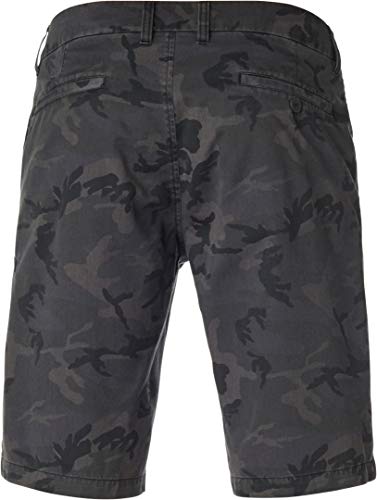
Identify Your Riding Discipline
The most critical decision factor is determining how you actually ride. Fox Racing categorizes much of its gear based on intensity and terrain. If you are a downhill or freeride enthusiast, you should prioritize durability and impact readiness. These riders need thicker, ripstop fabrics that can slide across rocks and roots without tearing. On the other hand, if your focus is XC (cross-country) or light trail riding, you should look for 'flex' models. These are engineered with higher percentages of elastane and lighter-weight nylon to ensure that your range of motion is never restricted during steep climbs or technical singletrack.
Fabric Composition and Durability
Not all technical fabrics are created equal. When browsing the selection, pay close attention to the weight and weave of the material. For aggressive riding, look for high-denier ripstop fabrics. These are designed to resist punctures and abrasions. For those who prioritize comfort in hot climates, seek out moisture-wicking synthetics that facilitate rapid evaporation. A key feature to look for in premium Fox shorts is four-way stretch capability. This ensures that when you are in an aggressive 'attack position' on the bike, the waistband and seat of the shorts move with you rather than pulling against your hips.
Pocket Configuration and Utility
Utility is a major differentiator between casual lifestyle shorts and true performance gear. For enduro riders who need to carry tools, snacks, or a phone, look for shorts featuring reinforced zippered pockets or integrated cargo pockets. These pockets should be placed strategically so that items do not bounce excessively against your thighs while pedaling. If you prefer a streamlined look for racing, you might opt for a minimalist design with hidden closures, but ensure the waistband is secure enough to handle the jarring movements of rough terrain.
Fit, Waistband, and Length
The silhouette of the shorts affects both your aerodynamics and your protection. Most Fox Racing shorts come in two primary lengths: a standard knee-length cut and a slightly shorter, more mobile cut. A longer length offers more skin protection against brush and debris, while a shorter cut allows for better airflow and less fabric interference during pedaling. Furthermore, examine the waistband construction. Look for integrated belts or high-tension elastic waistbands that prevent the shorts from sliding down during heavy braking or sudden jumps. A secure fit is essential to ensure your knee pads stay properly positioned underneath the fabric.
Integration with Protective Gear
Finally, consider how your shorts interact with your other gear. If you wear heavy-duty, hard-shell knee pads, you will need shorts with a slightly more relaxed fit through the thigh to accommodate the extra bulk. If you prefer slim, soft-shell knee sleeves, a more tapered, athletic fit will work perfectly. Always consider the 'layering logic': your shorts should provide a seamless interface between your body, your protection, and your chamois (liner) to prevent chafing and discomfort over long rides.