Prioritize Material and Texture
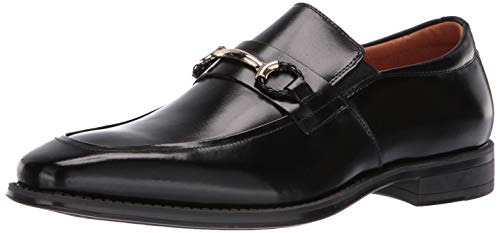
The most significant decision factor in selecting a bruno marc slip-on is the upper material. This choice dictates both the formality of the shoe and its longevity. Leather slip-ons are the gold standard for versatility. They offer a polished sheen that works well with chinos or even lightweight summer suits. If you are looking for something more relaxed or seasonal, suede options provide a softer, more textured aesthetic that pairs perfectly with denim or linen trousers. Keep in mind that suede requires more maintenance—specifically weatherproofing—whereas smooth leather is generally more resilient against the elements. If you prioritize breathability for warmer months, look for knit or canvas textures, though these will always lean toward the casual end of the spectrum.
Evaluate the Silhouette and Toe Shape
Not all slip-ons are created equal in terms of visual impact. The silhouette of the shoe determines the 'vibe' of your entire outfit. For a classic, timeless look, opt for a loafer-style silhouette with a slightly structured toe. This provides a more formal appearance suitable for business-casual settings. Conversely, if you are aiming for a contemporary, laid-back aesthetic, driving mocs or more flexible, soft-structured slip-ons are ideal. Pay close attention to the toe shape: a rounded toe is generally more forgiving and casual, while a more tapered or almond-shaped toe can lend a sense of sophistication and sharpness to your stride.
Consider Sole Construction and Comfort
Since slip-ons are often chosen for their ease of use, comfort must be a primary consideration. Because you aren't using laces to secure the foot, the internal padding and the way the shoe grips your heel are critical. Look for models that feature cushioned insoles to mitigate fatigue during extended wear. Furthermore, the outsole plays a vital role in both style and function. A thicker, rubberized sole offers better shock absorption and traction, making it ideal for urban walking, whereas a thinner, more flexible sole is characteristic of traditional driving shoes, offering a lightweight feel but less support for long-distance trekking. Match the sole type to your primary activity level.
Determine Occasion Compatibility
Before finalizing your purchase, perform a mental 'wardrobe audit.' Ask yourself where you will actually wear these shoes. If your lifestyle involves a mix of professional meetings and evening dinners, a dark leather loafer is your safest and most versatile investment. If your wardrobe is dominated by shorts, light denim, and casual weekend wear, then textured fabrics or lighter-colored suedes will integrate more seamlessly. Avoid buying a high-shine formal slip-on if your daily rotation is strictly casual, as the contrast can look unintentional and out of place.
Fit and Security
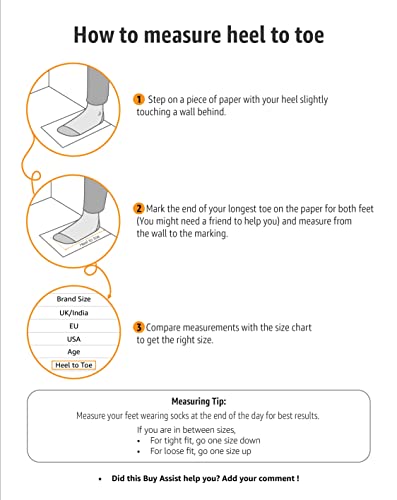
The biggest risk with slip-on footwear is the 'heel slip' phenomenon. Because there are no laces to tighten the fit, the shoe must fit snugly around the midfoot and heel from the start. If a pair is too loose, you will experience constant friction. If it is too tight, the lack of adjustability will make them unbearable. When trying on a new pair, ensure the instep sits firmly against your foot to provide the necessary security for a natural walking gait.