Prioritize Construction and Material Quality
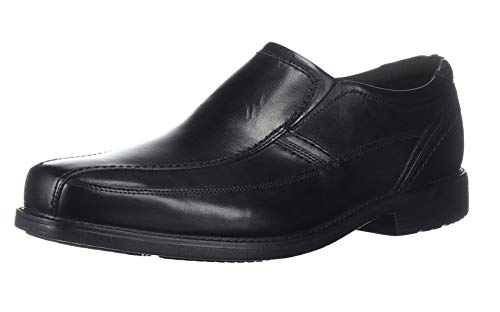
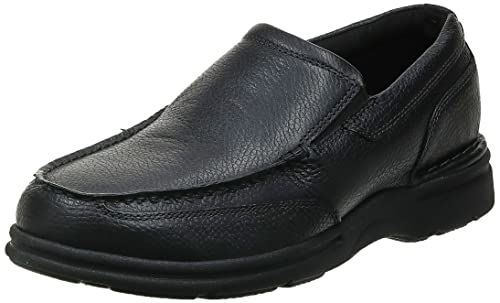
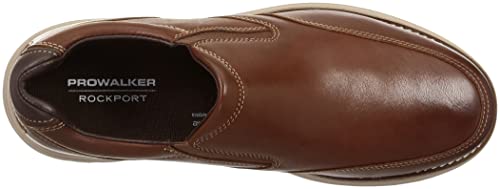
The first decision factor in selecting a high-quality slip-on is the upper material. Rockport typically offers two distinct paths: leather and textile. Leather slip-ons, particularly those in calfskin or nubuck, are the gold standard for business-casual environments. They provide a structured look that pairs seamlessly with chinos or tailored trousers. Leather also offers better longevity and the ability to mold to the shape of your foot over time. However, if your primary use case is casual summer wear or travel, look for breathable mesh or canvas textiles. These materials offer superior ventilation, which is crucial for slip-ons that are often worn without heavy socks.
Understand the Sole Technology
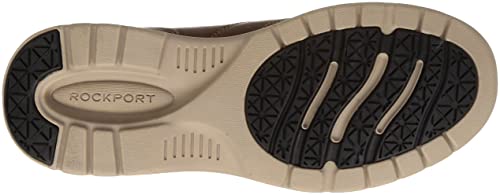
What sets Rockport apart from traditional dress shoe manufacturers is their integration of comfort technology. When browsing the category, pay close attention to the cushioning systems. Many of their slip-ons utilize lightweight, shock-absorbing midsoles that mimic the feel of a walking shoe. If you are on your feet for eight hours a day, look for models specifically mentioning advanced footbed technology or EVA (Ethylene Vinyl Acetate) midsoles. These provide the energy return and impact protection needed to prevent foot fatigue. Furthermore, consider the outsole material. Rubber outsoles offer better grip and traction on slick office floors, whereas harder synthetic soles are more appropriate for formal settings where a slim profile is desired.
Evaluate the Silhouette for Versatility
The 'vibe' of your slip-on is determined by its silhouette. A loafer-style slip-on with a structured heel and a slight sheen is your best bet for professional settings. These are versatile enough to transition from a morning meeting to a dinner date. Conversely, driving mocs or boat-shoe inspired slip-ons offer a more relaxed, preppy aesthetic. These are excellent for leisure but may look out of place in a strict corporate environment. When deciding, ask yourself: 'How many different outfits can I wear this with?' A neutral-colored leather loafer will almost always win this test of versatility.
Consider Fit and Ease of Entry
The defining characteristic of a slip-on is the ease of entry, but this can become a drawback if the fit is too loose. A slip-on that is too large will cause your heel to slide, leading to blisters and an awkward gait. Conversely, a fit that is too tight will make the 'slip-on' aspect impossible, requiring you to struggle with the shoe every morning. Look for models with elasticated gussets or high-quality leather linings that provide a snug, secure fit around the instep. This ensures the shoe stays anchored to your foot while maintaining the effortless aesthetic you desire.
Recommendation Logic
To make your final selection, follow this hierarchy of needs: First, define your environment (Office vs. Casual). Second, select your material (Leather for durability/formality, Textile for breathability). Third, prioritize the sole (Cushioned/Athletic for comfort, Slim/Synthetic for style). If you prioritize comfort above all else, lean toward the walking-inspired models with thicker midsoles. If you prioritize style, lean toward the classic leather loafers with streamlined profiles.