Prioritize Material and Knit Construction
The most critical factor in selecting a sweater is the fiber content. Because essential lines often offer a variety of blends, you must choose based on your intended use. If you are looking for warmth and a premium feel, look for wool or cashmere blends. However, these require more delicate care. For everyday wear that can withstand frequent washing, synthetic blends (such as cotton mixed with polyester or acrylic) are often more practical. These blends help the sweater retain its shape and resist the pilling that often plagues 100% natural fibers. Pay close attention to the weight of the knit. A lightweight jersey knit is ideal for layering under a blazer, whereas a chunky cable knit or a heavy ribbed texture provides the thermal insulation needed for colder climates.
Identify the Right Silhouette and Neckline
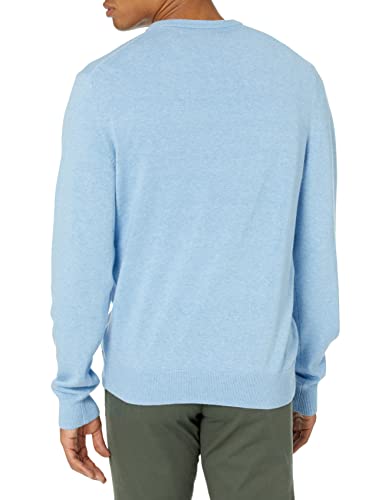
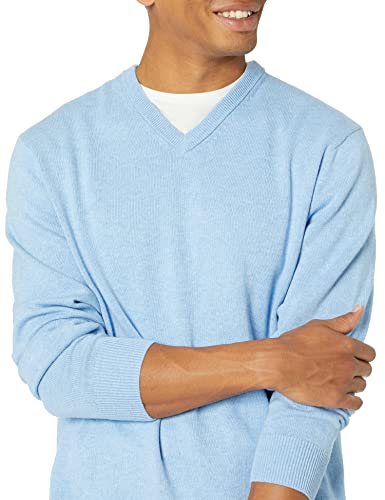
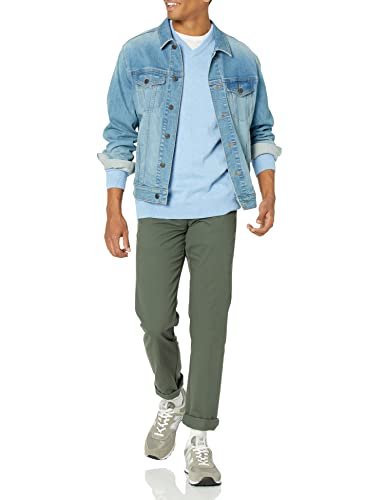
The neckline of a sweater dictates its formality and how it should be styled. A crewneck is the most versatile option, acting as a universal staple that works well over a t-shirt or under a jacket. V-necks are excellent for a more sophisticated look, as they provide space to showcase a collared shirt and a necktie, making them a favorite for business-casual environments. For those seeking a relaxed, modern aesthetic, quarter-zip or polo-style sweaters offer a middle ground between casual and formal. When considering the fit, ensure the shoulder seams sit exactly where your arm meets your torso. A sweater that is too tight will pull at the buttons or chest, while one that is too loose may look sloppy rather than intentionally oversized.
Evaluate Durability and Maintenance
A sweater is only an 'essential' if it remains wearable after several months of use. To gauge quality, perform a simple tactile test: gently pull at the knit to see how quickly it snaps back into shape. If the fabric feels overly loose or flimsy, it is likely to lose its silhouette after a few wears. Furthermore, consider your lifestyle when choosing a fabric. If you are someone who prefers low-maintenance clothing, avoid high-percentage wool items that require hand-washing or dry cleaning. Instead, opt for cotton-rich blends that are machine-washable. Always check the care instructions to ensure the garment can handle your standard laundry routine without shrinking or losing its texture.
Match the Style to Your Wardrobe Needs
Before purchasing, categorize where this sweater will live in your rotation. If you need a piece for layering, stick to thin, smooth-textured knits. If you are looking for a standalone statement piece for autumn, look for textured patterns like waffle knits or cable weaves. By focusing on these three pillars—material, silhouette, and maintenance—you can build a collection of sweaters that provides maximum utility without unnecessary clutter.