Prioritize Fabric Composition and Chlorine Resistance
The most critical factor in selecting a Mizok swim brief is the material blend. Most high-quality briefs in this category utilize a mix of nylon and elastane (Spandex). For those who spend significant time in chlorinated pools, look specifically for 'chlorine-resistant' labels. Chlorine is a harsh chemical that breaks down elastic fibers over time, leading to the dreaded 'baggy bottom' effect where the suit loses its shape and becomes translucent. A higher percentage of elastane generally provides better compression and shape retention, but ensure the fabric feels substantial enough to provide coverage without being overly restrictive.
Understanding the Cut and Side Seam Height
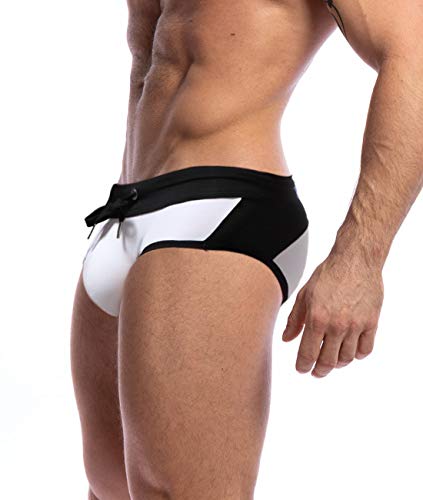
Mizok offers various cuts that cater to different levels of comfort and aesthetic preferences. The 'side seam height' is a key decision factor here. Low-rise briefs sit below the hips and offer a modern, minimal look, which is excellent for reducing drag in the water. However, if you prefer more security during vigorous activities like diving or water aerobics, look for mid-rise options that sit more naturally at the waist. Pay attention to the leg openings. A well-constructed brief should provide enough room for movement without digging into the groin or thigh area, which can cause chafing during long sessions in the water.
Waistband Security and Comfort
A swim brief is only as good as its ability to stay in place. When evaluating a pair, check the construction of the waistband. An internal drawstring is a massive advantage, as it allows you to customize the tightness to prevent the suit from sliding down when hitting the water. Avoid briefs that rely solely on the tension of the elastic waistband, as these can become uncomfortable or even painful if the suit becomes heavy with water. A reinforced waistband ensures that the suit remains anchored to your hips regardless of the intensity of your swimming stroke.
Functionality vs. Aesthetic Appeal
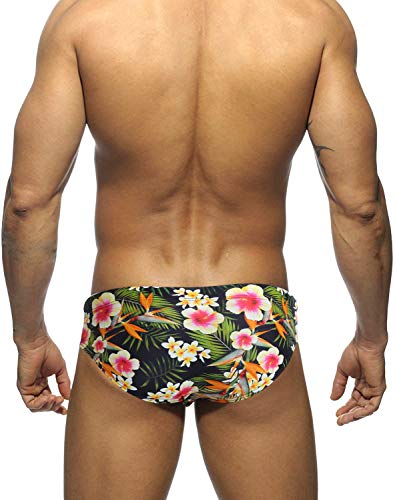
Decide whether your primary use case is performance-driven or leisure-oriented. If you are training for a triathlon or competitive swimming, focus on aerodynamic cuts and ultra-smooth fabrics that minimize water resistance. If you are looking for poolside lounging, you might prioritize bold patterns, vibrant colors, and a slightly softer fabric feel. Mizok is known for its variety in print and color, so consider how the color will hold up against UV exposure. Darker tones and saturated patterns tend to mask the effects of salt and sun better than lighter, pastel shades.
Sizing for Compression
Sizing for swim briefs is notoriously different from sizing for casual cotton underwear. Because these are designed to be tight, many users make the mistake of sizing up for comfort. However, a swim brief that is too large will create drag and lose its functional purpose. You want a 'snug but not constricting' fit. If you are between sizes, consider the fabric stretch. A high-elastane blend can handle a tighter fit more comfortably than a standard nylon blend. Always check the brand's specific measurement guide to ensure the hip and waist dimensions align with your body.