Prioritize Fabric Composition and Chlorine Resistance
The most critical factor in a swim brief's longevity is the textile blend. Most high-quality briefs utilize a mix of nylon and elastane (spandex). Nylon provides the durability and quick-drying properties necessary for aquatic environments, while elastane provides the 'stretch and recovery'—the ability of the garment to expand with your movement and snap back to its original shape without sagging. When evaluating options, look for fabrics treated with UV protection and chlorine resistance. Chlorine is notoriously aggressive toward synthetic fibers. Without proper treatment, your briefs will quickly lose their elasticity and fade in color. A premium brief should feel substantial yet smooth, providing a compression-like fit that doesn't feel restrictive.
Understand the Cut and Rise
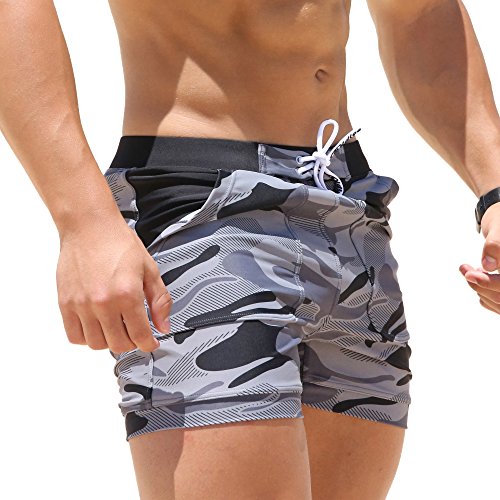
Not all briefs are shaped equally, and the 'cut' will dictate how the suit looks on your frame. Taddlee designs often lean toward a more modern, athletic silhouette. You should consider the 'rise' of the brief—this is the distance from the crotch to the waistband. A low-rise brief sits closer to the hips, offering a contemporary, fashion-forward look that is ideal for tanning. A mid-to-high rise offers more coverage and security, which is preferable if you are engaging in active swimming or water sports where you want to avoid constant readjustment. Additionally, pay attention to the leg opening. A wider opening provides more coverage, while a higher-cut leg offers a more daring, aerodynamic aesthetic that elongates the appearance of the legs.
The Importance of Internal Support and Lining
A common pitfall in budget swimwear is the lack of internal structure. Because swim briefs are minimal by design, the internal construction is what prevents the garment from feeling flimsy. Look for briefs that feature a double-layered front panel or a dedicated mesh lining. This provides two benefits: it ensures modesty by preventing the fabric from becoming transparent when wet, and it offers structured support that keeps everything in place. A well-constructed gusset—the triangular piece of fabric at the crotch—is also essential for preventing chafing during repetitive motions like swimming strokes or walking along the beach.
Sizing for Compression vs. Comfort
Sizing swim briefs is notoriously more difficult than sizing standard underwear. Because the goal is a snug fit to minimize water drag, many men make the mistake of sizing down too far. If the waistband digs into your skin or the fabric pulls uncomfortably at the seams, the suit is too small and will likely suffer from premature wear due to over-stretching. Conversely, if there is any bunching of fabric around the hips or crotch, the suit is too large and will lose its shape within a few wears. We recommend choosing a size that feels 'secure' rather than 'tight.' If you find yourself between sizes, opt for the larger size to account for the natural expansion that occurs when the fabric is fully saturated with water.