Prioritize Fabric Composition and Quick-Dry Technology
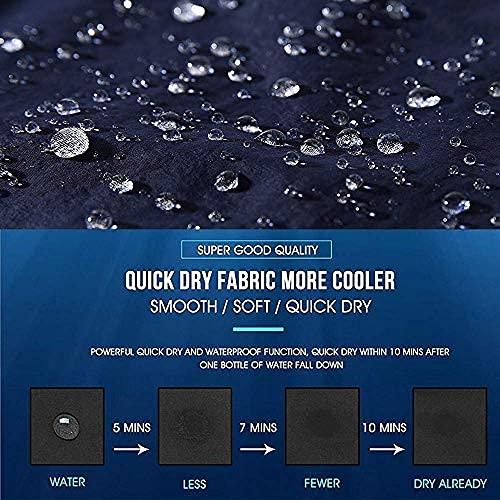
The most critical factor in selecting high-quality swim trunks is the textile blend. For the silkworld enthusiast, you want to look for high-performance synthetic blends, typically involving recycled polyester or nylon mixed with elastane (Spandex). Pure polyester offers durability and resistance to chlorine, but the addition of elastane is what provides the 'four-way stretch' necessary for movement. If you find yourself moving from a swim session directly to a beachside lunch, prioritize fabrics labeled with quick-dry technology. This prevents the heavy, sagging sensation that occurs when standard cotton-heavy blends absorb excess water, which can lead to chafing and discomfort.
Evaluate the Inseam Length for Style and Function
The length of the trunk, measured from the crotch to the hem, fundamentally changes the silhouette and the intended use of the garment. If you prefer a modern, athletic look that minimizes drag during swimming, look for shorter inseams (usually 5 to 6 inches). These are excellent for active swimmers and those with more muscular legs. Conversely, if you are looking for a classic, sophisticated aesthetic suitable for resort wear or casual boardwalk strolling, a 7 to 9-inch inseam offers more coverage and a timeless profile. Consider your body type and the specific environments you frequent when deciding between a 'short-cut' athletic fit and a more traditional mid-thigh length.
The Importance of Liner Construction
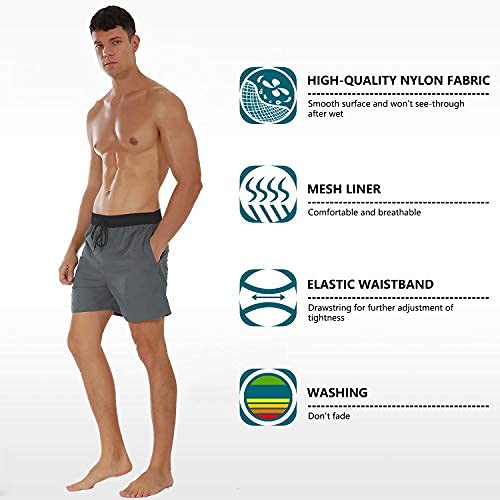
A common mistake in buying swim trunks is ignoring what lies beneath the outer shell. A high-quality pair of trunks should feature a built-in mesh or compression liner. Mesh liners are traditional and provide breathability, but they can sometimes cause irritation if the mesh is too coarse. For a premium experience, look for trunks that utilize a soft, jersey-style compression liner. This provides support, prevents chafing during long periods of walking, and offers a more seamless look under the outer fabric. A well-constructed liner ensures that the trunks stay in place even during vigorous water activities.
Functionality: Pockets, Drawstrings, and Waistbands
Beyond the fabric, the hardware and utility features define the daily usability of your trunks. Look for a secure waistband that combines an elasticated rear with a functional drawstring at the front. This allows you to customize the fit to prevent the trunks from slipping when hitting the water. Regarding pockets, ensure they are designed with drainage holes. Standard pockets can become waterlogged and heavy, pulling the trunks down. Drainage holes allow water to exit quickly, maintaining the garment's weight and shape. If you plan on being active, consider whether you need zippered security pockets for small essentials like keys or cards.
Sun Protection and Durability
Finally, consider the longevity of the color and the protection offered to your skin. High-quality trunks often incorporate UPF (Ultraviolet Protection Factor) ratings into the fabric weave. While no fabric is a substitute for sunscreen, a higher UPF rating provides an extra layer of defense against UV rays. Additionally, look for colorfastness. Premium dyes are essential to ensure that the vibrant patterns or deep hues do not fade prematurely due to heavy chlorine exposure or salt water.