Identify Your Primary Use Case
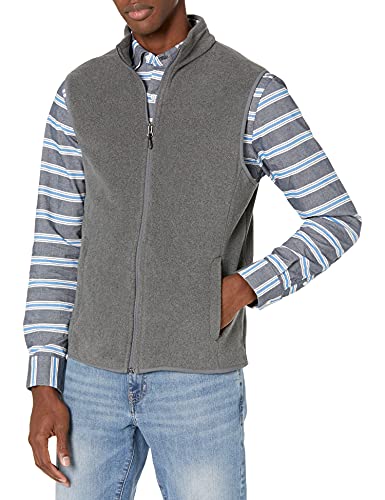
The first step in selecting a vest is determining whether you are prioritizing thermal insulation, mobility, or style. Vests generally fall into three distinct functional categories. First, there are the quilted or puffer vests, which are designed for core warmth. These are ideal for layering over a flannel shirt or under a heavy coat during colder months. Second, you have the fleece vests, which offer a softer, more casual texture and are perfect for active use or lounging. Finally, there are the lightweight, woven vests that act more as a stylistic accent, providing just enough warmth to regulate temperature without adding bulk to your silhouette.
Evaluate Fabric and Insulation Properties
The material composition will dictate how the vest performs in different environments. If you are looking for something to wear during brisk autumn walks, look for synthetic fills or quilted patterns that trap air to retain body heat. For indoor environments or moderate outdoor settings, a high-quality fleece is superior because it is breathable and offers a high warmth-to-weight ratio. Pay close attention to the outer shell material as well. A water-resistant nylon shell is essential if you plan to wear the vest in damp conditions, whereas a cotton-blend shell is better suited for a matte, casual look that pairs well with denim.
Prioritize Fit and Layering Compatibility
A vest that is too tight will restrict your arm movement and make layering underneath nearly impossible, while a vest that is too baggy will create an unflattering, bulky appearance. When testing for fit, consider what you intend to wear beneath it. If you plan to layer the vest over thick hoodies or heavy sweaters, you must size up or look for a 'relaxed fit' cut. If the vest is intended to be a slim layer over a simple t-shirt or a button-down, a 'slim' or 'athletic' fit will provide a much sharper, more tailored look. Check the armhole depth. A higher armhole generally provides a more modern, streamlined look, while deeper armholes allow for greater range of motion.
Consider Design Details and Longevity
Small details can significantly impact the longevity and versatility of your vest. Look for high-quality zippers that glide smoothly. A sticking zipper can render a vest useless. Pockets are another crucial factor—ensure they are deep enough to actually hold your essentials like a phone or wallet without the weight pulling the vest out of shape. Finally, consider the neckline. A V-neck style is more versatile for layering over collared shirts, whereas a mock neck or stand-up collar provides extra protection against wind and a more rugged, outdoor-ready aesthetic.