Understanding the Silhouette: Waistcoat vs. Gilet
The first decision you must make is determining the intended use of the vest. In the context of PJ Paul Jones, you will likely encounter two distinct styles: the formal waistcoat and the casual gilet. A waistcoat is designed to be worn as part of a suit or layered over a crisp button-down shirt. It should sit close to the body, providing a slimming effect and a polished silhouette. Look for designs with a traditional button closure and a tapered waist. On the other hand, a gilet (often referred to as a quilted or padded vest) is designed for layering over knitwear or casual shirts. These are more about utility and thermal regulation, offering a relaxed fit that allows for movement while providing core warmth.
Fabric Selection and Seasonal Versatility
Fabric is the most critical factor in determining how a vest will perform and how it will age. For formal occasions, look for high-twist wools or blended fabrics that resist wrinkling and maintain a sharp crease. A well-constructed wool waistcoat provides a sophisticated texture that complements tailored trousers. If you are leaning toward more casual options, pay close attention to the technical aspects of the fabric. For gilets, look for water-resistant synthetic blends or lightly quilted nylon that offers insulation without looking overly sporty. The weight of the fabric will dictate the season. Lightweight cotton or linen blends are ideal for spring and summer layering, while heavier wools and padded synthetics are essential for autumn and winter.
The Importance of Precision Fit
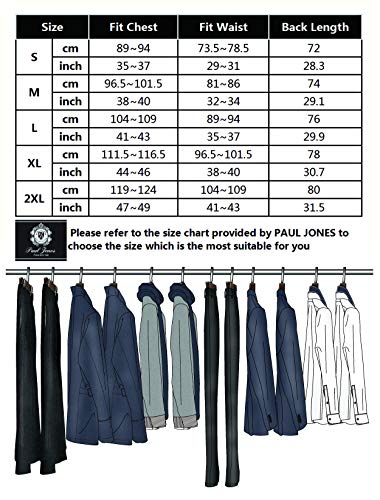
A vest that fits poorly can ruin an otherwise impeccable outfit. For a formal waistcoat, the most important rule is the 'no gap' principle: the bottom of the vest should sit flush against your waistband, ensuring no shirt fabric peeks out from underneath. The armholes should be cut high enough to prevent gaping but not so tight that they restrict your reach. When trying on a gilet, ensure there is enough room to layer a sweater underneath without the vest feeling tight across the chest or pulling at the zipper. A successful fit should follow the natural lines of your torso, emphasizing the shoulders and narrowing slightly at the waist to create a masculine, structured shape.
Key Details and Finishing Touches
The difference between a standard vest and a premium piece often lies in the small details. Examine the buttons—are they secure and made of high-quality resin or metal? Check the lining. A smooth, breathable lining like viscose or silk-blend makes the vest much easier to slide on and off over other garments. For casual vests, look for functional hardware, such as high-quality zippers and adjustable drawstring hems, which allow you to customize the fit and trap heat more effectively. Finally, consider the pattern. PJ Paul Jones often utilizes subtle textures and classic patterns. Choose a solid color for maximum versatility, or an understated check or stripe if you want the vest to act as a statement piece in your rotation.