Prioritize Fabric Technology and Moisture Management
The most critical factor in any workout pant is the textile composition. For high-intensity training, you must look for moisture-wicking synthetic blends, typically involving polyester or nylon mixed with elastane (Spandex). These fabrics are engineered to pull sweat away from the skin to the surface of the garment, where it can evaporate quickly. This prevents the 'heavy, wet feeling' that occurs when cotton-based fabrics absorb perspiration. If your workouts involve significant temperature fluctuations, seek out fabrics with antimicrobial treatments to prevent odor retention, a common issue with synthetic gym wear.
Determine the Right Fit for Your Discipline
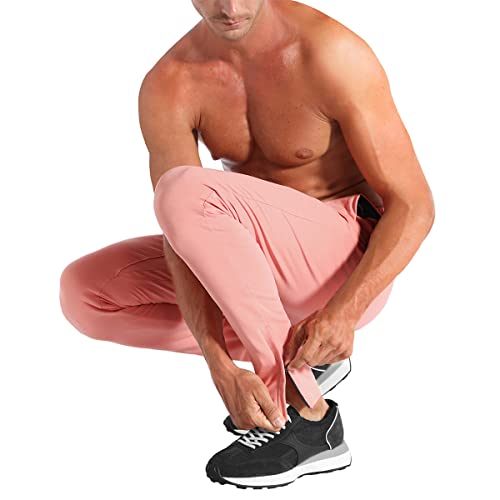
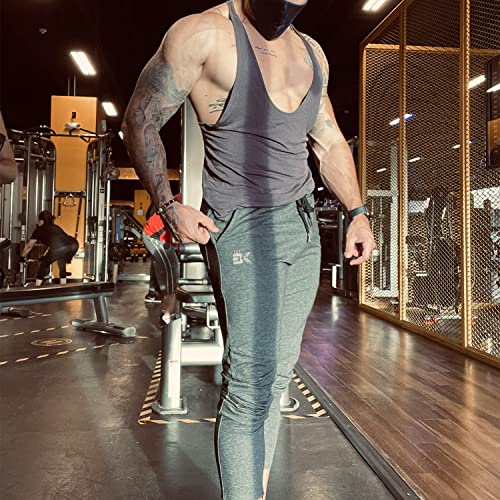
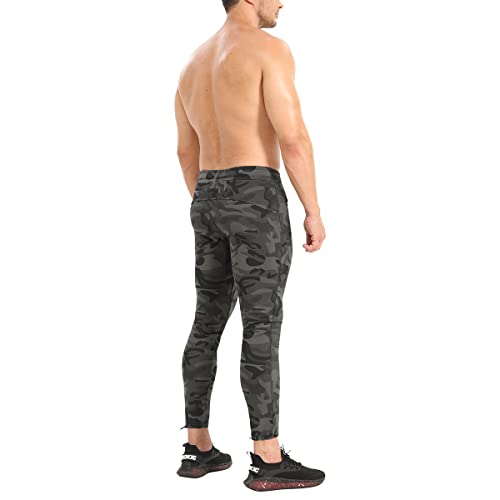
Not all workout pants are built for the same movement patterns. If you are focused on weightlifting or bodybuilding, you may prefer a tapered jogger fit that stays close to the leg, preventing excess fabric from getting caught in machinery or tripping you up during lunges. Conversely, if your training involves high-range-of-motion activities like yoga, mobility work, or calisthenics, look for pants with high four-way stretch capabilities. Compression pants are excellent for muscle support and circulation during recovery or steady-state cardio, but they may feel restrictive during explosive movements. For a versatile middle ground, many athletes opt for 'technical joggers' that offer a slim silhouette without sacrificing the ability to squat deeply.
Evaluate Durability and Construction Details
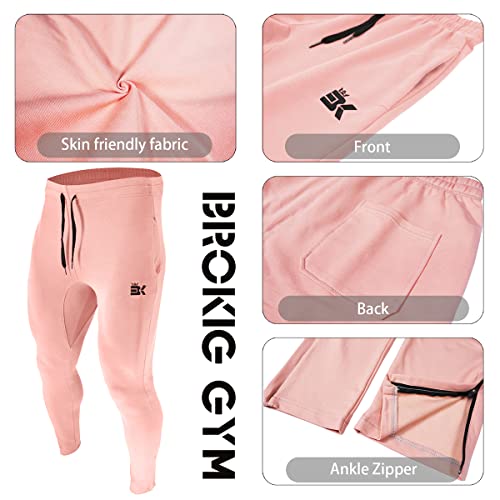
Workout gear undergoes significant stress. Check the seam construction. Flatlock seams are a gold standard because they lie flat against the skin, reducing the risk of chafing during repetitive motions like running or cycling. Additionally, look for reinforced stitching in high-friction areas, such as the inner thigh. The waistband is another pivot point—an elastic waistband with an internal drawstring provides the most security, ensuring the pants stay in place during sprints or burpees. Avoid waistbands that are too thin, as they tend to roll over when you bend at the waist.
Functionality and Pocket Placement
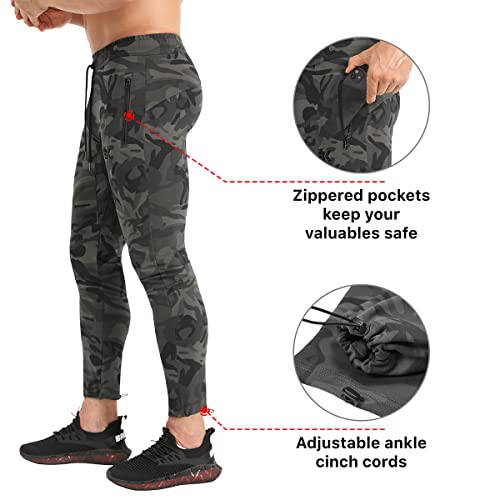
Modern training often requires carrying small essentials like a phone, gym card, or keys. However, poorly placed pockets can be a nightmare during movement. Look for zippered side pockets or secure 'drop-in' pockets integrated into the waistband or thigh. You want to avoid loose, shallow pockets where a smartphone might bounce rhythmically against your leg while running. For those who prefer a minimalist approach, ensure the pants have a streamlined profile that doesn't add unnecessary bulk to your silhouette.
Summary of Recommendation Logic
When making your final decision, match the pant to your primary activity. For heavy lifting, prioritize durability and a tapered fit. For cardio and running, prioritize lightweight, moisture-wicking fabrics and secure pocketing. For mobility and flexibility, prioritize high-elastane content and four-way stretch. By focusing on these technical specifications rather than just aesthetics, you ensure your gear works with your body rather than against it.