Material Composition and Porosity
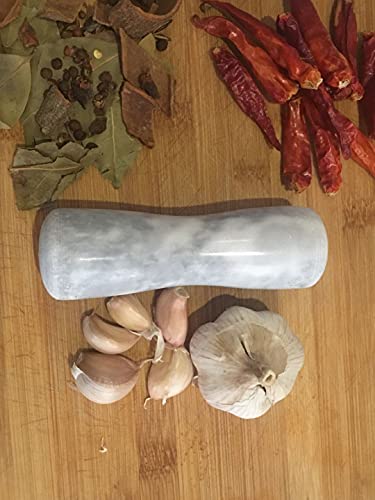
The most significant factor in your decision is the material of the mortar and pestle. In the world of daszui tools, you generally choose between three primary categories: stone, ceramic, and wood. Stone sets, typically crafted from granite or marble, are the heavyweights of the category. They offer immense stability and weight, which allows you to use downward pressure to crush tough, fibrous roots or hard seeds without the vessel sliding across your countertop. However, stone is porous. If you intend to grind highly pigmented spices like turmeric or saffron, be aware that the color may permanently stain the surface.
Ceramic sets are the middle ground, offering a smoother surface that is easier to clean and less likely to absorb intense odors. They are excellent for fine grinding and creating smooth pastes. Wood, on the other hand, is best suited for light tasks like crushing dried herbs or making salt blends. While wood is gentle on ingredients, it lacks the sheer force required for heavy-duty emulsification and can harbor moisture if not seasoned and dried properly.
Pestle Shape and Ergonomics
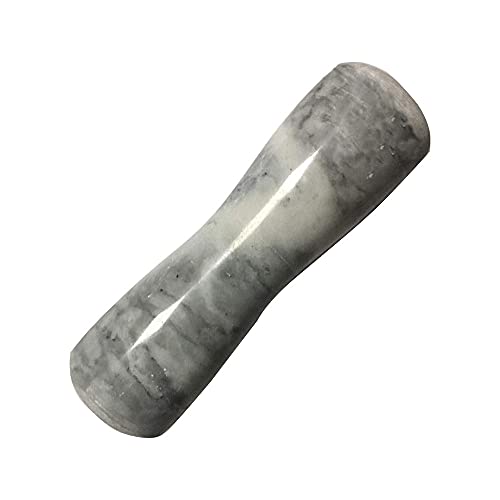
The pestle is the engine of the mortar, and its shape dictates the type of grinding you can achieve. There are two main styles: the club-shaped pestle and the flat-bottomed pestle. A club-shaped pestle, which is thicker at the head and tapers toward the handle, is ideal for a rhythmic, circular grinding motion. This is perfect for creating fine powders. A flatter, more blunt pestle is better suited for a 'mashing' or 'bruising' motion, which is essential when you want to release juices from fresh garlic, ginger, or herbs.
When evaluating a pestle, hold it in your hand to check the balance. A well-designed pestle should feel weighted toward the grinding end but remain comfortable in the palm. If the handle is too thin, you will experience hand fatigue during longer preparation sessions. If it is too thick, you may lose the precision needed for delicate tasks.
Size and Capacity Considerations
A common mistake is purchasing a mortar that is too small for the task at hand. A cramped workspace leads to ingredients being pushed out of the bowl rather than being ground within it. For general culinary use, a medium-sized mortar (roughly 4 to 5 inches in diameter) is the most versatile. If you are working with large quantities of spices or heavy medicinal roots, look for a larger, deeper vessel to prevent splashing and overflow. Conversely, if you only intend to make small amounts of specialty dressings or single-serving spice rubs, a compact set will save valuable cabinet space.
Maintenance and Longevity
To ensure your daszui mortar remains a reliable tool, consider the ease of maintenance. Stone and ceramic require thorough drying to prevent any residual moisture from affecting future batches. For stone tools, avoid using harsh detergents that might seep into the pores. Instead, opt for warm water and a soft brush. A high-quality mortar and pestle is an investment in texture and flavor, and by selecting a heavy, appropriately shaped, and material-specific tool, you ensure professional-grade results every time you grind.