Material Composition and Abrasion Resistance
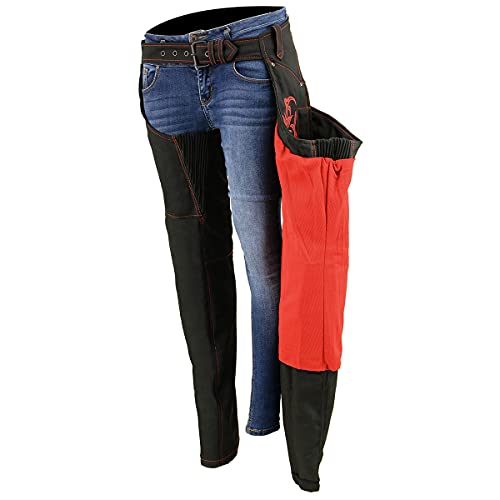
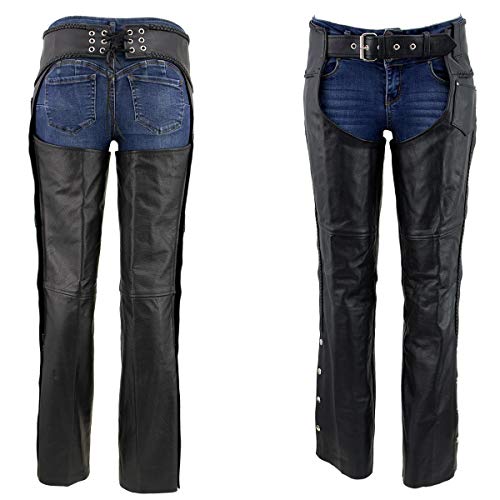
The primary function of chaps is protection during a slide. Most high-quality chaps are constructed from heavy-duty cowhide or buffalo leather. Cowhide is the industry standard due to its balance of durability and flexibility, while buffalo leather often offers a slightly more textured feel and higher natural oil content, which can assist with longevity. When evaluating chaps, feel the thickness of the leather. You are looking for a weight that provides significant puncture resistance but isn't so stiff that it inhibits your ability to operate foot controls or shift gears. Avoid lightweight fashion chaps that lack a substantial hide. If the leather is too thin, it will fail to provide the necessary slide protection in an accident.
Since you are specifically looking for button-style chaps, the quality of the hardware and the layout of the fastening points are paramount. Button chaps are favored by many traditionalists because they offer a classic aesthetic and a more adjustable fit than simple side-zippers. However, poor button placement can lead to 'gaping' at the thighs or waist, which allows wind to whip inside the garment, causing discomfort and instability. Look for chaps with reinforced buttonholes to prevent tearing under tension. Ideally, the buttons should allow you to tighten the fit around your hips and thighs to ensure the chaps move with your body rather than sliding around your legs while you are in a seated riding position.
Fit, Comfort, and Ergonomics
Motorcycle chaps are worn over your existing clothing, which makes sizing a unique challenge. You must account for the bulk of your jeans or riding trousers underneath. A common mistake is buying chaps that are too tight, which restricts blood flow and makes long rides painful. Conversely, if they are too loose, they will flap excessively, creating aerodynamic drag and noise. Pay close attention to the 'rise' of the chaps—the distance from the crotch to the waistband. If the rise is too short, you will feel constant pulling when you lean forward into a riding posture. High-quality chaps often feature articulated knees or subtle shaping to accommodate the natural bend of your legs when mounted on a motorcycle.
Thermal Management and Ventilation
Leather is an excellent windbreak, but it can also become a heat trap. If you ride in varying climates, look for chaps that incorporate ventilation features. This might include perforated leather panels in high-heat zones like the backs of the thighs or integrated mesh linings. While the button closure provides a secure fit, ensure that the design doesn't completely seal off airflow, as overheating can lead to rider fatigue. For winter riding, the density of the leather will act as a natural insulator, but for summer, the ability to manage airflow is the deciding factor in whether you actually use the gear or leave it in the garage.
Summary of Recommendation Logic
When making your final decision, follow this hierarchy: First, prioritize the grade of the leather to ensure safety. Second, verify that the button fastening system is robust and allows for a snug, non-flapping fit. Third, ensure the ergonomics match your riding style—cruisers require a different cut than sport-touring riders. If a pair of chaps offers heavy-duty hide, reinforced button construction, and a fit that accommodates your base layers, you have found a reliable piece of protective equipment.