Understanding Tread Architecture and Void Ratio
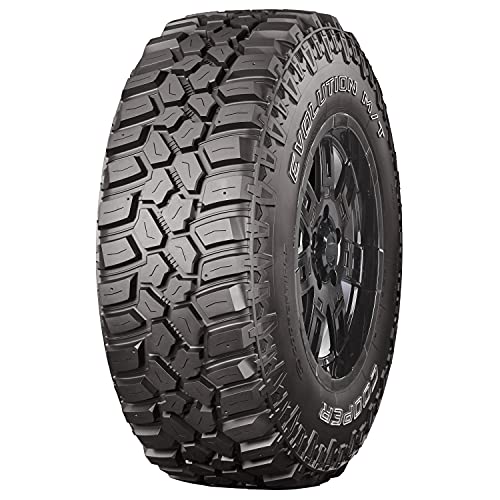
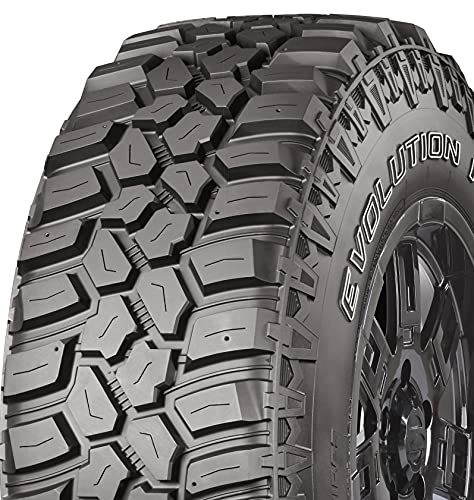
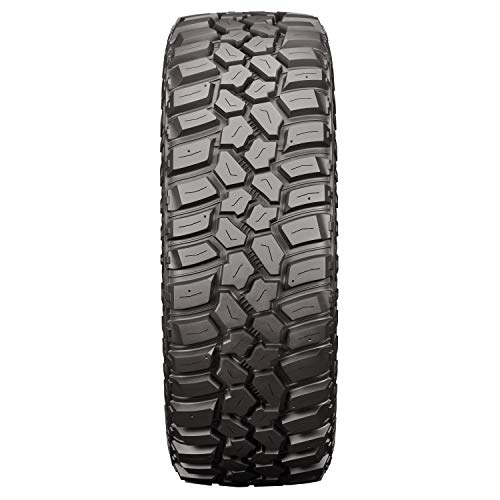
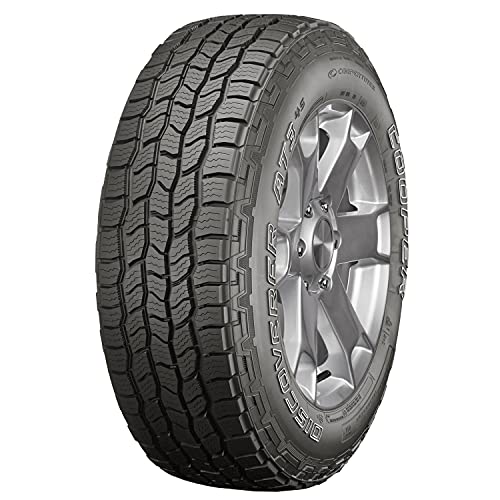
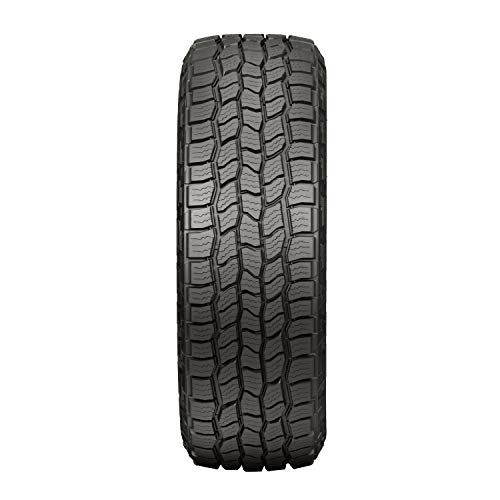
The defining characteristic of a true mud-terrain tire is the void ratio—the amount of open space between the tread blocks. In deep mud, the tire acts like a paddle. If the gaps between the lugs are too small, the mud will pack into the tread, turning your high-performance tire into a smooth, slick surface that loses all traction. When shopping for Cooper mud-terrain options, look for large, widely spaced lugs that promote 'self-cleaning.' This ensures that as the tire rotates, centrifugal force flings the mud out of the grooves, keeping the biting edges exposed for the next rotation.
Sidewall Strength and puncture Resistance
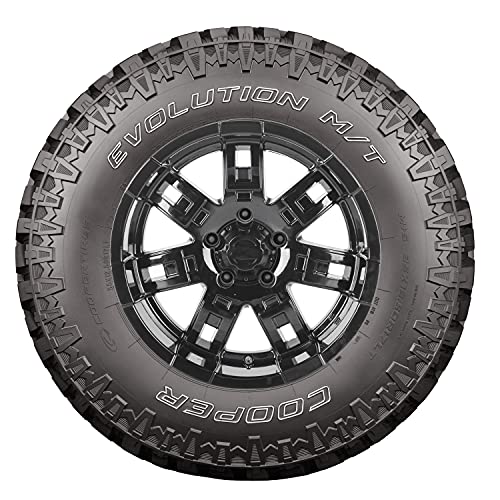
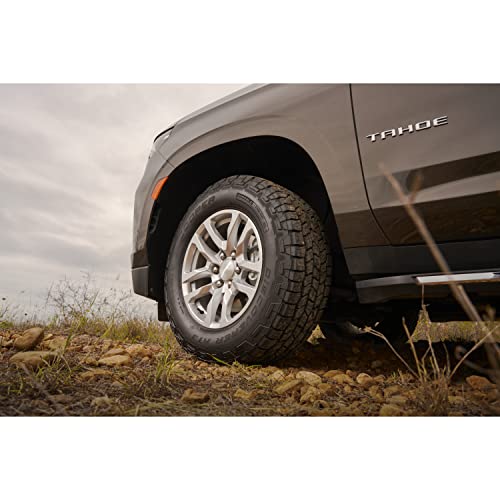
Off-roading often involves more than just soft mud. It involves sharp rocks, fallen branches, and hidden stumps. A critical decision factor is the construction of the sidewall. Look for tires that feature reinforced sidewall technology. A robust sidewall does two things: it prevents punctures from jagged debris, and it provides lateral traction. In many mud-terrain designs, the tread pattern extends down the side of the tire. This 'wrap-around' tread is vital when you are airing down your tires for low-pressure crawling, as it provides grip against the sides of ruts and prevents the sidewall from being sliced by stones.
The Compromise: On-Road Noise and Longevity
It is important to be realistic about the trade-offs of mud-terrain tires. Because the tread blocks are large and widely spaced, they create significant vibration and 'hum' when driving on paved highways. If your vehicle is a daily driver that spends 80% of its time on the street, you may find a dedicated mud-terrain tire to be excessively noisy. Furthermore, because the rubber compounds used in these tires are often softer to allow for better grip on uneven surfaces, they may wear faster than a standard highway tire. Consider your usage ratio: if you are a weekend warrior, the extreme grip is worth the noise. If you are a commuter, look for the more refined end of the mud-terrain spectrum.
Load Rating and Vehicle Weight
Do not overlook the technical specifications regarding load index and speed ratings. Mud-terrain tires are often heavier than their all-terrain counterparts due to the thicker rubber and reinforced carcasses. This added weight (unsprung mass) can affect your vehicle's suspension, braking distance, and fuel economy. Ensure that the tire you select meets or exceeds the load requirements of your specific truck or SUV, especially if you carry heavy recovery gear, winches, or aftermarket bumpers. A tire that is too small for your vehicle's weight will suffer from premature sidewall failure and heat buildup.
Recommendation Logic
To make the final decision, categorize your driving style. If your priority is technical rock crawling and extreme mud bogging, prioritize maximum lug depth and heavy-duty sidewall reinforcement. If you want a tire that can handle a muddy trail on Saturday but won't drive you crazy on the highway on Monday, look for a 'hybrid' mud-terrain that features tighter shoulder blocks to reduce road noise while maintaining deep central grooves for traction.