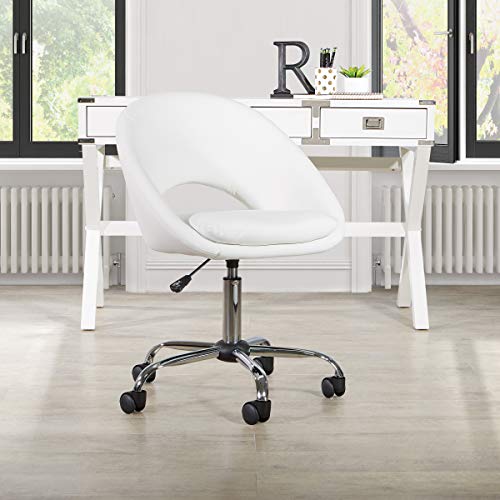
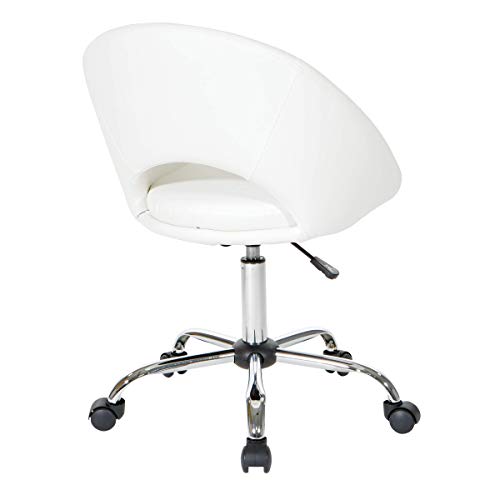
Prioritizing Ergonomic Adjustability
The most critical factor in selecting an office chair is its ability to adapt to your unique physiology. A chair that is 'one size fits all' is rarely comfortable for anyone. When evaluating OSP models, look specifically for multi-dimensional adjustability. This includes seat height via pneumatic lifts, but more importantly, it includes seat depth adjustment (sliding the seat pan forward or backward) to ensure proper circulation in your legs. Look for chairs that offer 4D armrests—meaning they move up/down, left/right, forward/backward, and pivot—to ensure your shoulders remain relaxed while typing. A high-quality chair should allow you to maintain a neutral spine position, where your lower back is supported by the lumbar curve without feeling forced into a rigid posture.
Material Selection: Mesh vs. Upholstery
Your choice of material will dictate both the thermal comfort and the aesthetic longevity of your office. Mesh-back chairs are the gold standard for users in warmer climates or those who tend to run hot. The breathable weave allows for constant airflow, preventing the 'heat trap' effect common in solid foam chairs. Mesh also provides a more dynamic, conforming support profile. On the other hand, upholstered chairs—typically featuring high-density foam and fabric or leatherette—offer a more substantial, cushioned feel that many prefer for long-duration seated tasks. If you prioritize a premium, executive look for video conferencing, upholstered models are superior, but ensure the foam density is high enough to prevent 'bottoming out' after several hours of use.
Base Stability and Movement Mechanics
A chair is only as good as its foundation. Pay close attention to the base construction. Heavy-duty nylon bases are excellent for standard home offices, but if you are a larger individual or move frequently, look for reinforced metal or aluminum bases which offer superior structural integrity. Furthermore, examine the casters (the wheels). Smooth-gliding, dual-wheel casters are essential to prevent scratching hardwood floors and to ensure that shifting your position doesn't require significant physical effort. Finally, consider the tilt mechanism. A 'synchro-tilt' mechanism, where the backrest and seat tilt at different ratios, is highly recommended as it opens the hips and maintains better ergonomic alignment during recline than a simple center-tilt mechanism.
Matching the Chair to Your Workflow
Your decision logic should be driven by your daily activity. If your work involves heavy data entry and constant typing, prioritize a task chair with high-frequency adjustments and firm lumbar support. If your role involves more reading, thinking, or client calls, an executive-style chair with a deep recline and plush cushioning may be more beneficial for comfort during periods of relaxation. By matching the mechanical features of the chair to your specific physical movements, you transform a piece of furniture into a tool for sustained professional performance.