Understanding Ergonomic Architecture
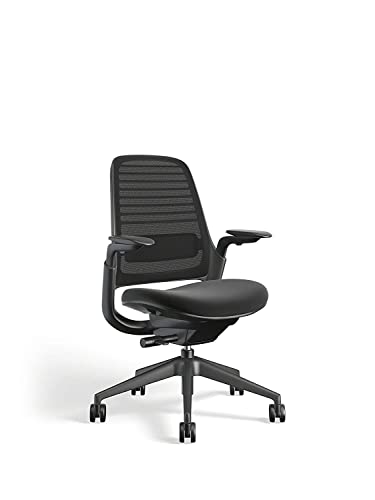
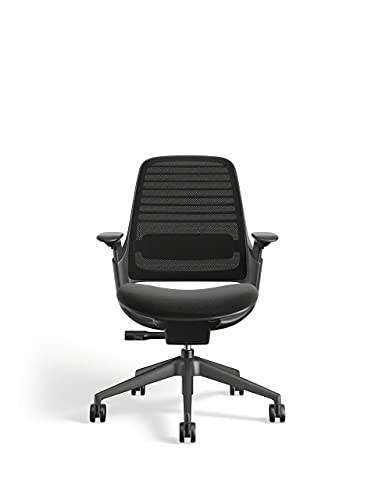
The primary differentiator in high-end seating is the mechanism that manages movement. When evaluating these chairs, look beyond the cushion and focus on the adjustment capabilities. A premium chair should offer more than just seat height. You should look for adjustable seat depth (to prevent pressure behind the knees), 4D armrests (which adjust in height, width, depth, and pivot), and sophisticated lumbar support. Steelcase is particularly noted for its LiveBack technology, which allows the backrest to change shape to mimic the natural curvature of your spine as you shift positions. If you are someone who moves frequently between leaning forward to type and reclining to take calls, prioritize a chair with a dynamic backrest that responds to weight shifts without manual intervention.
Material Composition and Thermal Regulation
The choice between mesh and upholstered fabric is one of the most critical decisions you will make. Mesh backrests are excellent for thermal regulation, providing airflow that prevents heat buildup during long sessions. However, some users find mesh lacks the tactile support of traditional padding. Upholstered models, often utilizing high-density foam, offer superior pressure distribution and a more 'cradled' feeling. If your workspace is in a climate-controlled office, fabric is often the preferred choice for comfort. If you work in a warmer environment or prefer a lightweight, breathable feel, a mesh-integrated design is more logical. Consider also the durability of the textiles. Look for high-rub counts which indicate the fabric can withstand years of friction without thinning.
Task vs. Executive vs. Management Profiles
Steelcase categorizes its seating into functional profiles that dictate the chair's footprint and adjustment range. Task chairs are designed for high-intensity, high-movement work, often featuring more aggressive adjustment levers and a more compact frame. Management and Executive styles tend to prioritize a more commanding aesthetic and softer, more luxurious materials, often at the expense of some granular ergonomic adjustments. If your role involves constant shifting and varied postures, a dedicated task chair is the superior investment. If your role is more stationary and you prioritize a professional look for client-facing environments, an executive profile may be more appropriate.
The Importance of Seat Pan Geometry
A common mistake is ignoring the seat pan. The shape and firmness of the seat significantly impact circulation in your lower extremities. A seat pan that is too deep will hit the back of your knees, cutting off blood flow. One that is too shallow will not support your thighs adequately. Look for chairs that offer a sliding seat pan mechanism. This allows you to customize the support based on your femur length, ensuring that your weight is distributed evenly across the entire surface of the cushion, reducing the risk of numbness or discomfort during deep-focus work.
Decision Logic: How to Choose
To make your final selection, follow this hierarchy of needs: First, determine your primary movement pattern (static vs. dynamic). Second, assess your thermal comfort preference (breathable mesh vs. supportive fabric). Third, evaluate your physical dimensions to ensure the adjustment range—specifically seat depth and lumbar height—can accommodate your frame. By prioritizing these mechanical and physiological factors over visual style, you ensure that your chair serves as a tool for productivity rather than a source of physical strain.