Material Composition and Weather Resistance
The primary differentiator in high-quality outdoor cushions is the fabric technology. When browsing Greendale options, look for fabrics specifically engineered for outdoor environments. This typically means high-denier polyester or specialized blends that are treated for water resistance. A key factor is 'fade resistance.' Because outdoor cushions are subject to intense sunlight, standard indoor fabrics will bleach and become brittle within a single season. Look for cushions that utilize solution-dyed fibers, which ensure the color is part of the fiber itself rather than just a surface coating. Additionally, consider the weight of the fabric. A heavier, more substantial weave generally provides better structural integrity and prevents the cushion from sagging under repeated use.
Core Filling and Loft Retention
A cushion is only as good as its internal structure. In the outdoor category, you will generally encounter two types of filling: foam cores and polyester fiberfill. Foam cores are ideal for dining chairs and formal seating where you require a firm, supportive base that maintains its shape over time. If you are looking for deep-seated lounge cushions, a high-density foam core is essential to prevent the 'bottoming out' effect. On the other hand, fiberfill is often used in decorative accent pillows or softer lounge pads to provide a plush, 'sink-in' feeling. For long-term durability, prioritize cushions that feature a hybrid approach—a firm foam center wrapped in a soft fiber layer—to provide both structural support and immediate tactile comfort.
Dimensions and Fitment Accuracy
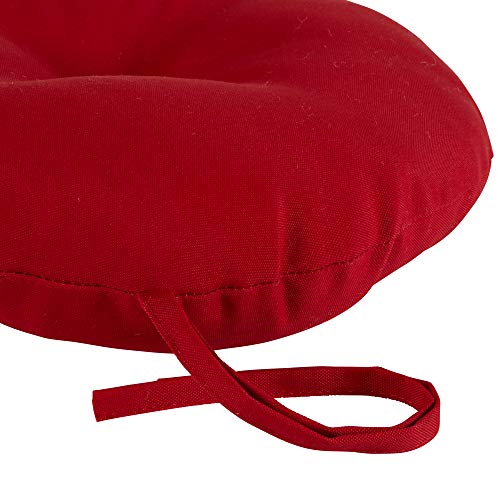
One of the most common mistakes in purchasing outdoor cushions is miscalculating the dimensions of the existing furniture frame. Greendale offers a variety of shapes, including square, rectangular, round, and custom-contoured lounge pads. Before committing to a purchase, do not just measure the length and width of your furniture. You must also measure the depth and the thickness (loft) of the cushion. A cushion that is too thin will feel inadequate for long periods of relaxation, while one that is too thick may overhang the edges of the frame, creating a tripping hazard or an unstable seating surface. If you have a sectional, pay close attention to whether the cushions are designed as individual pieces or as continuous long pads, as this affects how they sit in the corners of the frame.
Maintenance and Longevity Factors
Style Integration and Color Theory
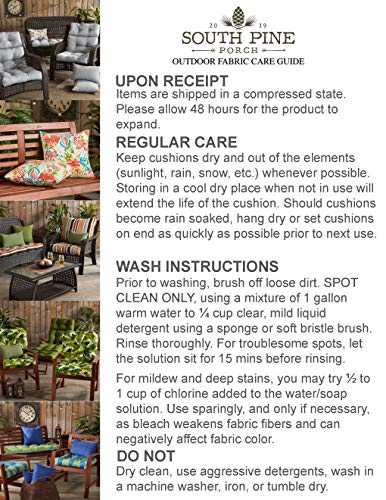
Beyond technical specifications, your choice should complement your outdoor architecture. If your patio features natural wood or stone, neutral tones like beige, slate, or cream can create a sophisticated, organic look. If you are looking to create a focal point, bold geometric patterns or vibrant tropical motifs can energize a space. When choosing patterns, consider the 'busyness' of the design. Highly patterned cushions are excellent for masking small spills or inevitable outdoor dust, whereas solid colors offer a cleaner, more modern aesthetic but require more frequent cleaning to maintain a pristine appearance. Always check if the cushion covers are removable and machine-washable, as this is a non-negotiable feature for long-term maintenance in an outdoor setting.