Understanding the Professional vs. Student Distinction
The most critical decision you will make when selecting Winsor & Newton paints is choosing between their professional-grade lines and their student-grade lines. This isn't just about price. It is about pigment load and chemical stability. Professional lines are formulated with a higher concentration of pure pigments and minimal fillers. This means you get more 'color bang for your buck,' as a tiny amount of paint will cover more surface area. More importantly, professional lines offer superior lightfastness, ensuring your paintings do not fade or shift in hue over decades. Student lines, while excellent for practice and learning color theory, often include more extenders or fillers to keep costs low, which can result in a slightly less predictable behavior when layering or glazing.
Selecting by Medium: Watercolor, Oil, and Acrylic
Winsor & Newton excels in distinct mediums, each requiring a different approach to purchasing:
- Watercolors: When shopping for watercolors, look at the consistency. The professional range offers incredible transparency and granulating effects that are essential for landscape artists. If you prefer working with pans (dry cakes), ensure they are high-quality enough to re-wet easily. If you prefer tubes, look for those with high pigment density to avoid the 'chalky' look that occurs when student-grade paints are over-diluted.
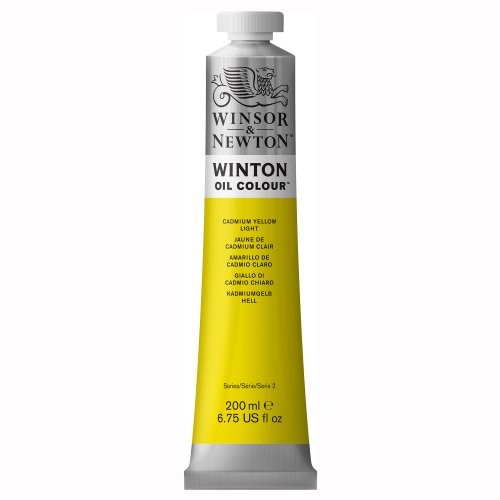
- Oil Paints: For oils, the key factor is the oil binder. Professional oils are known for their smooth, buttery consistency. Consider whether you need single tubes of color or if you are looking for pre-mixed mediums. A high-quality oil paint should have a consistent texture that allows for both fine detail work and thick, impasto applications.
- Acrylics: Acrylics are all about drying time and viscosity. Look for ranges that offer different 'body' types—some are fluid for washes, while others are heavy-body for texture.
Key Decision Factors: Pigment Load and Lightfastness
Once you have chosen your medium, you must look at the individual pigment characteristics. Winsor & Newton provides detailed information regarding the lightfastness of their colors. Always prioritize colors rated as 'Excellent' or 'Very Good' for any piece you intend to frame or sell. Furthermore, pay attention to the 'tinting strength.' Some colors, like Phthalo Blue, are incredibly powerful and can easily overpower a mixture, while others, like Earth tones, are more subtle. Understanding how a specific paint behaves when mixed with white or other colors is the hallmark of an informed buyer.
Recommendation Logic: How to Build Your Palette
Don't attempt to buy every color in the catalog immediately. A smart strategy is to start with a 'split primary' palette. Instead of just buying one red, one blue, and one yellow, buy a warm version and a cool version of each (for example, a warm red and a cool red). This allows you to mix a much wider spectrum of hues while maintaining color harmony. If you are a beginner, invest more in your primary colors and less in specialty colors like ochres or violets, which you can always add to your collection as your style evolves.