Understanding Chambered vs. Straight-Through Design
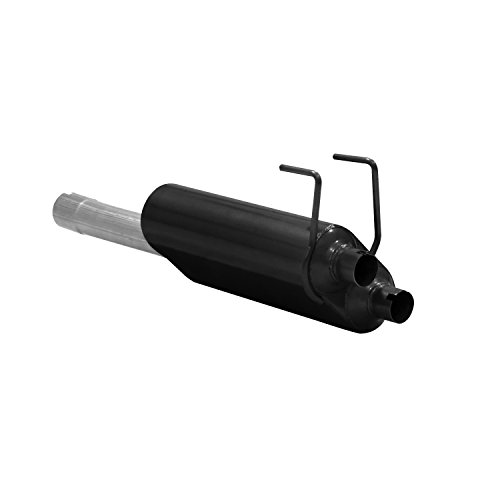
The core of the Flowmaster identity lies in their patented chambered technology. Unlike 'straight-through' glasspack-style mufflers that rely on packing material to dampen sound (often resulting in a raspy, high-pitched tone), chambered systems use a series of internal baffles and chambers to manipulate sound waves. When selecting a system, decide if you want the classic, deep-toned 'rumble' characteristic of chambered designs or if you are looking for a more modern, streamlined flow. Chambered systems are generally superior at managing drone—that annoying, low-frequency hum that vibrates your cabin at highway speeds—making them a better choice for street-driven performance vehicles.
Material Composition and Longevity
An exhaust system is subjected to extreme thermal cycling and corrosive environmental factors. When comparing systems, look closely at the metallurgy. High-grade stainless steel is the gold standard. It offers superior resistance to oxidation and salt, ensuring your investment doesn't become a rusted mess after two winters. While aluminized steel is a more budget-friendly entry point, it lacks the long-term structural integrity of stainless. For high-performance applications where heat management is critical, look for systems that utilize thicker-walled tubing to prevent warping and maintain consistent gas velocity.
Balancing Sound Volume with Driveability
One of the biggest mistakes enthusiasts make is overestimating their tolerance for noise. A performance exhaust system significantly increases decibel levels, but the *quality* of that sound is what matters. You should categorize your desired outcome into three tiers: Streetable Performance (noticeable growl at idle, subtle increase under load), Aggressive Performance (loud, authoritative presence, significant volume), and Track-Focused (maximum flow, high volume, minimal sound suppression). If your vehicle is a daily driver, prioritize systems engineered with sound-canceling chambers to ensure you can still hold a conversation inside the cabin while cruising.
Fitment and Installation Complexity
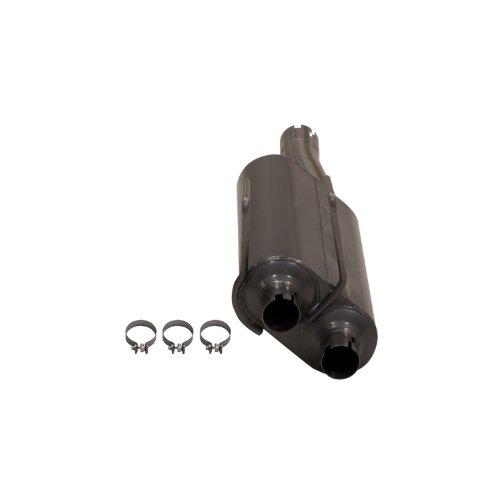
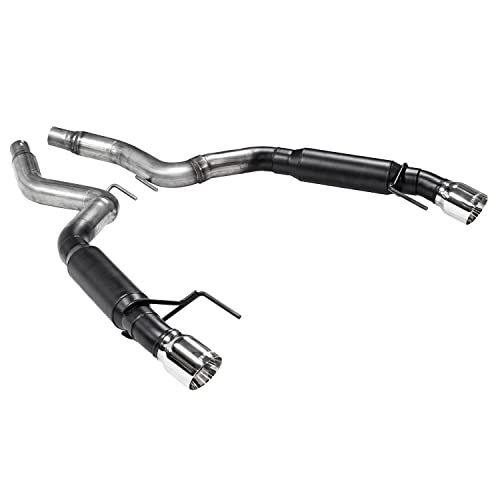
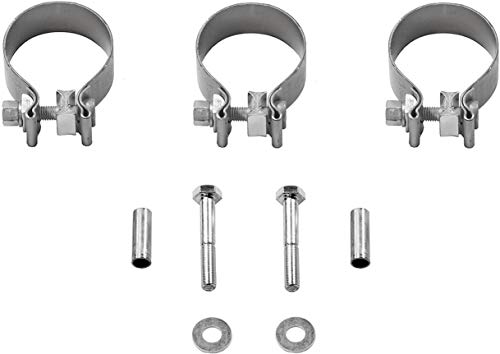
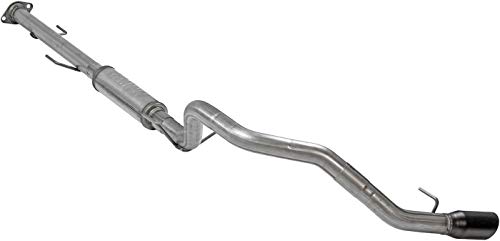
Performance exhaust systems generally fall into two categories: cat-back systems and axle-back systems. A cat-back system replaces everything from the catalytic converter to the tailpipes, offering the most comprehensive performance gain and a seamless, bolt-on fit. An axle-back system only replaces the section from the rear axle onward, which is easier to install and more affordable but provides less of a power boost. Always verify that the system is engineered specifically for your engine displacement and wheelbase. A system that requires extensive cutting or custom welding is not just a headache to install. It often indicates that the system wasn't optimized for your specific exhaust scavenging requirements.
The Decision Logic: How to Choose
To make the final call, follow this hierarchy: First, define your primary goal (Power vs. Sound). Second, determine your budget for materials (Stainless Steel vs. Aluminized). Third, assess your tolerance for cabin drone. If you want a legendary muscle car sound that won't make your ears bleed on a long road trip, a stainless steel, chambered cat-back system is the undisputed winner.