Core Construction and Material Science
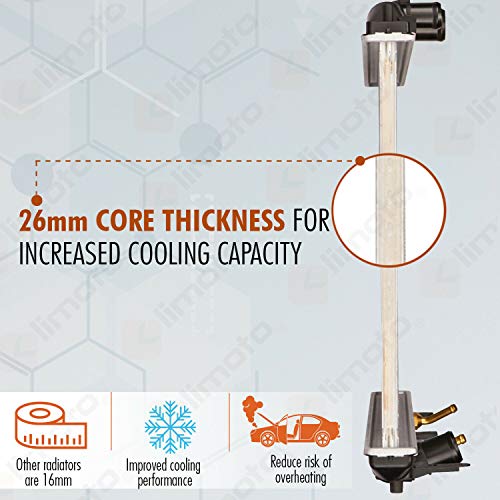
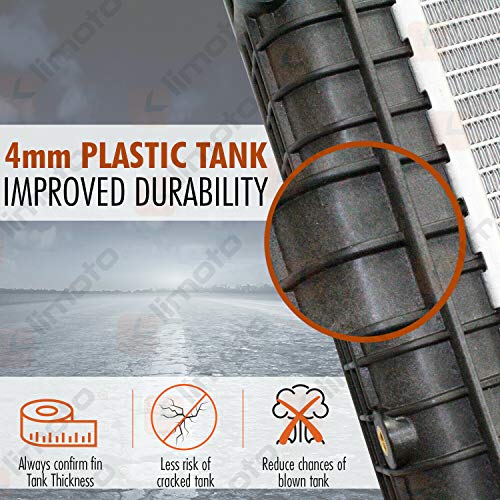
The foundation of any high-performance radiator lies in its material composition. Performance radiators typically utilize high-grade aluminum due to its superior thermal conductivity compared to traditional copper and brass. When evaluating Klimoto options, look closely at the thickness of the aluminum core. A thicker core provides more surface area for heat exchange, which is vital for preventing overheating during sustained high-RPM operation. Furthermore, pay attention to the tank construction. Seamless aluminum tanks are preferred over riveted designs because they offer better resistance to the pressure fluctuations and thermal expansion cycles common in high-performance driving environments.
Core Design and Fin Density
Not all aluminum cores are created equal. The efficiency of a radiator is largely determined by its fin density—the number of fins per inch (FPI). A higher fin density increases the surface area available for air to pass through, facilitating faster heat transfer. However, there is a technical trade-off to consider: extremely high fin density can increase air resistance (static pressure drop), which may require a more powerful electric fan to pull air through the core effectively. When selecting your radiator, match the core design to your cooling setup. If you are running high-CFM electric fans, you can afford a denser core. If you are relying on lower-flow setups, a slightly more open design might be more efficient.
Flow Dynamics and Inlet/Outlet Configuration
Heat dissipation is only half the battle. The other half is the ability to move coolant through the system rapidly. Look for radiators that feature optimized internal flow paths to minimize turbulence and pressure drops. The size and shape of the inlet and outlet ports are also crucial. Larger diameter ports allow for higher flow rates, reducing the workload on your water pump and ensuring that coolant reaches the cylinder head quickly. Additionally, consider the orientation of the ports. For many custom builds or engine swaps, you may need specific port locations to ensure compatibility with your existing hoses and to prevent kinks that could restrict flow.
Compatibility and Mounting Integrity
A performance radiator is useless if it cannot be securely mounted within your vehicle's chassis. While some units are designed as direct replacements for specific vehicle makes and models, many performance enthusiasts opt for universal or semi-custom configurations. If you are choosing a custom-fit unit, ensure the mounting tabs are robust and positioned to minimize vibration. Vibration is the enemy of aluminum components. A radiator that rattles or flexes under load is prone to stress fractures and eventual failure. Always verify that the radiator's width and height fit within your existing radiator support without requiring excessive, structural modifications to the vehicle.
Final Recommendation Logic
To make the best decision, first define your primary use case. If you are a weekend autocrosser, focus on core thickness and fin density. If you are building a high-horsepower drag car, prioritize high-flow inlet/outlet ports and tank strength. Always pair your radiator choice with a high-quality thermostat and a high-flow water pump to create a cohesive thermal management system that can handle the heat load of your specific engine build.