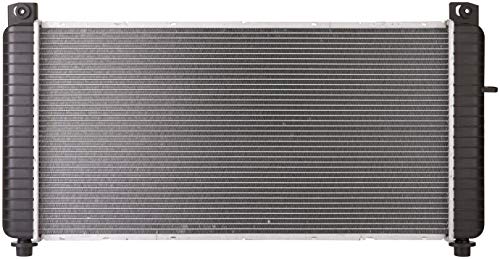
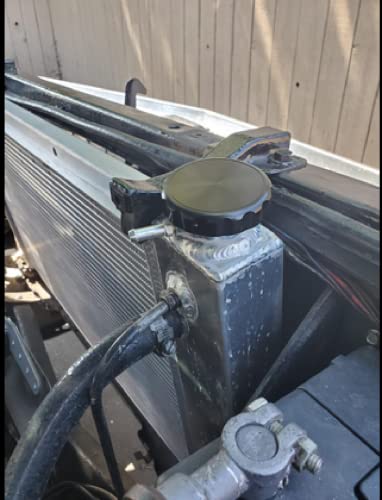
Material Composition and Core Construction
The foundation of any high-performance radiator lies in its material. Most premium units utilize high-grade aluminum due to its exceptional thermal conductivity and lightweight properties. When evaluating options, look for all-aluminum construction, which includes the tanks and the core. This minimizes the thermal expansion differences that can occur in hybrid designs (plastic tanks with aluminum cores), reducing the risk of leaks under high-pressure racing conditions. A thicker core provides more surface area for heat exchange, but you must balance this against the physical space available in your engine bay.
Core Thickness and Fin Density
One of the most critical decision factors is the thickness of the radiator core. A thicker core can hold more coolant and provide more surface area, which is essential for high-horsepower builds. However, thickness must be paired with optimal fin density. Finer, more tightly packed fins increase the amount of air contact, but they also create more aerodynamic drag and can clog more easily if you frequently drive in dusty or off-road environments. For street-performance builds, a balanced fin density is ideal. For dedicated track cars, prioritize maximum surface area and core depth.
Flow Efficiency and Internal Baffling
A radiator is only as good as its ability to move fluid. Premium performance radiators often feature advanced internal baffling. Baffles are designed to force the coolant to travel through every available millimeter of the core, preventing 'dead zones' where coolant sits stagnant and absorbs heat without transferring it to the fins. When comparing models, look for descriptions that emphasize optimized flow paths and high-volume capacity. This ensures that even during rapid RPM changes, the coolant is constantly being cycled and cooled effectively.
Fitment and Mounting Stability
High-performance driving subjects components to significant vibration and G-forces. A radiator that is poorly secured can suffer from stress fractures at the mounting points. Look for units that feature reinforced mounting brackets and are designed to integrate seamlessly with your vehicle's existing shroud. A custom-fit shroud is highly recommended, as it directs airflow specifically through the radiator core rather than allowing it to spill over the sides, which significantly improves cooling efficiency at high speeds.
Compatibility with Aftermarket Upgrades
If you are planning to upgrade to a high-flow electric fan or a multi-stage cooling system, ensure the radiator you select is compatible with these components. Many premium radiators are designed with specific inlet and outlet configurations to accommodate high-flow hoses and performance water pumps. Always consider your future build path. If you plan to add a turbocharger or a supercharger, the increased engine bay heat will necessitate a radiator with a higher thermal threshold than a naturally aspirated setup would require.