Understanding Material Density and Porosity
The most critical decision factor when choosing a pestle is the material. In the realm of high-quality grinding tools, you will primarily encounter granite, marble, ceramic, and wood. Granite is the industry standard for heavy-duty tasks. Its natural, slightly abrasive surface is ideal for breaking down hard, fibrous ingredients like peppercorns, cinnamon sticks, or dried chilies. Because granite is dense and non-porous, it won't absorb the oils from your spices, ensuring that flavors remain pure over time.
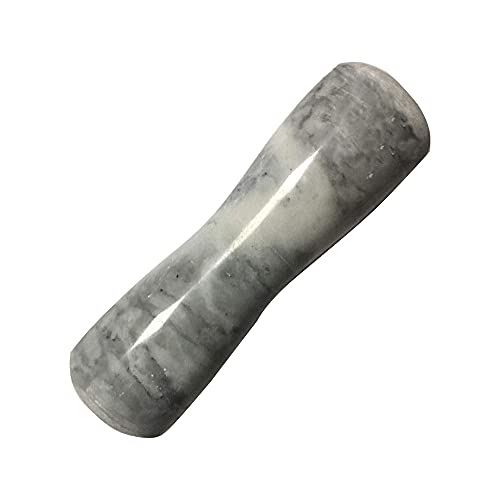
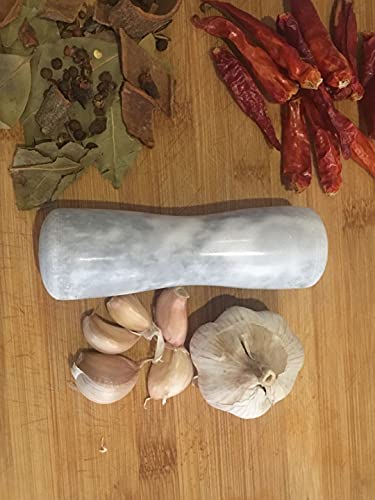
Marble, while beautiful, is generally softer than granite. It is excellent for lighter tasks, such as crushing soft herbs or making small amounts of salt blends, but it may struggle with extremely hard seeds. Ceramic pestles offer a middle ground, providing a very smooth surface that is perfect for delicate emulsions like pesto or making fine spice powders where you want to avoid any stone grit. Wood is the outlier. It is best used for light bruising or mixing rather than heavy grinding, as the grain can sometimes trap fine particles.
Weight and Ergonomics
A common mistake is choosing a pestle based solely on aesthetics without considering the 'swing' and weight. A heavy pestle does much of the work for you. If you are processing tough ingredients, a lightweight pestle will quickly lead to hand and wrist fatigue. Look for a pestle that feels substantial in your palm. However, weight must be balanced with ergonomics. The handle should be shaped to fit the natural grip of your hand—either a rounded bulbous end for a power grip or a more tapered shape for precision work. If the pestle is too thin, you will find yourself squeezing too hard, which leads to cramping during longer prep sessions.
Surface Texture and Grinding Efficiency
Not all surfaces are created equal. Some pestles feature a polished bottom, which is excellent for smooth pastes but can cause ingredients to 'skate' around the bowl without being crushed. Others feature a textured or unpolished base. For serious spice grinding, a slightly textured base is superior because it creates friction, catching the ingredients and forcing them against the walls of the mortar. When shopping, consider if you prefer a 'crushing' action (heavy, blunt force) or a 'shearing' action (fine, circular grinding). For the former, look for a wider, heavier head. For the latter, a slimmer, more tapered design is preferable.
Maintenance and Longevity
Finally, consider how you will care for your tool. Stone pestles are incredibly durable but can be prone to cracking if dropped or subjected to extreme temperature shifts. They are also difficult to clean if they are highly porous. Always opt for high-density stone to ensure that your tool remains hygienic and doesn't leach flavors into your food. A well-chosen stone pestle should be a lifetime kitchen companion, gaining character with every spice blend you create.