Prioritize Capacity and mAh Ratings
The most critical specification to examine is the milliampere-hour (mAh) rating. This number represents the total amount of energy the battery can store. When browsing Lysee options, you will often see two types of ratings: the nominal capacity and the rated capacity. While some aftermarket brands attempt to 'over-spec' their batteries by claiming a higher mAh than the original manufacturer intended, this can sometimes lead to physical swelling or instability. Look for a battery that matches or slightly exceeds the original specifications without making unrealistic claims. A battery that promises 20% more capacity than the factory standard in the same physical footprint is often a red flag for quality control issues.
Focus on Cell Chemistry and Safety Certifications
Modern smartphones rely on Lithium-Polymer (Li-Po) or Lithium-Ion (Li-ion) chemistry. Lysee batteries are generally designed to adhere to these standards, but you should always verify that the specific unit you are purchasing includes built-in protection circuitry. A high-quality replacement must feature an integrated Protection Circuit Module (PCM). This module is responsible for preventing overcharging, over-discharging, and short-circuiting. Without a robust PCM, a replacement battery becomes a liability, potentially causing the device to overheat during rapid charging cycles. Always look for mentions of safety compliance in the product descriptions to ensure the battery can handle the thermal demands of modern high-performance processors.
Compatibility and Physical Dimensions
A common mistake in the replacement battery market is assuming that all batteries for a specific device series are identical. Even within the same brand ecosystem, different hardware revisions may require different battery shapes or connector types. When selecting a Lysee battery, ensure the description explicitly confirms compatibility with your specific device generation. Pay close attention to the flex cable length and the connector orientation. If the battery is even a fraction of a millimeter too thick, it can put pressure on the display assembly, leading to screen cracking or 'lifting' over time. Precision in manufacturing is what separates a premium replacement from a cheap imitation.
Lifecycle and Cycle Count Expectations
Every lithium-based battery has a finite lifespan, typically measured in charge cycles. A standard high-quality battery should maintain roughly 80% of its original capacity after 500 full charge cycles. When evaluating Lysee products, consider the reputation of the specific batch or series. If you are a heavy user—someone who games or streams video frequently—you should prioritize batteries that emphasize high cycle stability. Investing in a battery designed for longevity will save you the frustration of having to perform another teardown and replacement just six months down the line.
The Importance of Installation Kits
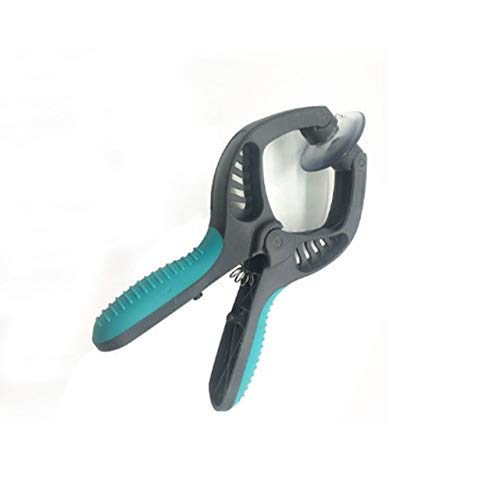
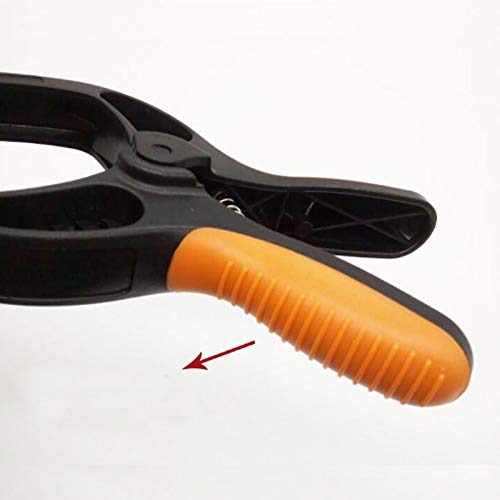
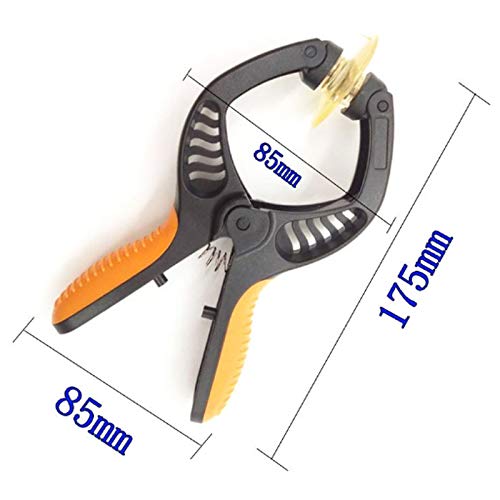
Since replacing a phone battery is a delicate operation that involves opening a sealed chassis, consider whether the battery comes with necessary installation tools. While the battery itself is the core component, having access to precision screwdrivers, suction cups, and specialized prying tools can significantly reduce the risk of damaging your device during the swap. A complete kit ensures that you can approach the repair with the necessary precision to maintain the device's structural integrity.