Understand Your Material Compatibility
The most critical decision factor is ensuring the fitting material matches your piping material. Yoebor offers a range of fittings, often focusing on brass, stainless steel, or specialized alloys. If you are working with copper tubing, you need fittings that won't cause galvanic corrosion. If you are managing high-temperature fluids, brass might be your go-to for its thermal conductivity and durability, whereas stainless steel is indispensable for environments involving corrosive chemicals or high salinity. Always verify that the metal composition of the fitting is compatible with the medium flowing through it to prevent premature degradation or pitting.
Evaluate Connection Types and Thread Standards
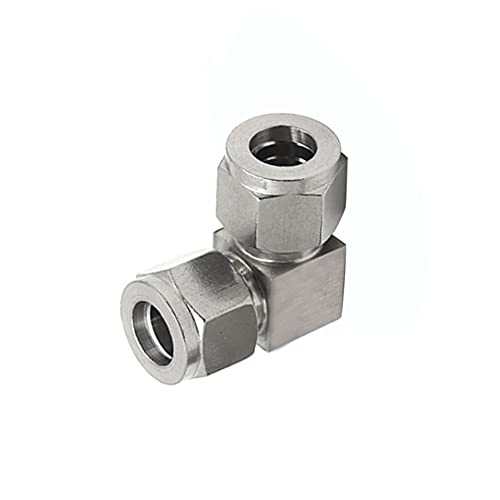
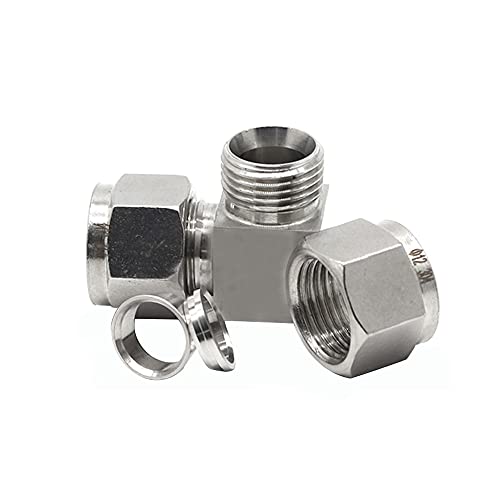
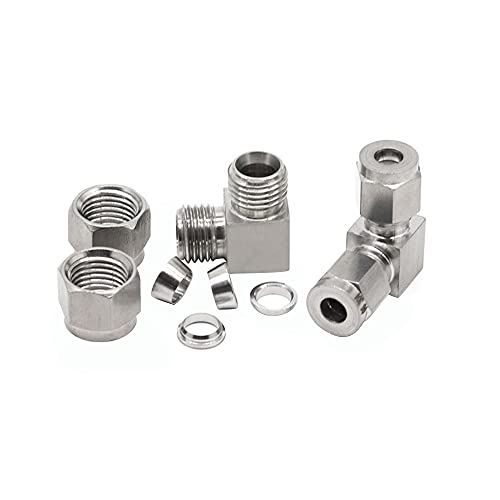
A common mistake in pipework is assuming all threads are created equal. You must distinguish between NPT (National Pipe Thread) and BSP (British Standard Pipe) threads. NPT threads are tapered, meaning they create a seal by wedging the threads together, often requiring PTFE tape or pipe dope. BSP threads, conversely, may be parallel or tapered and rely on different sealing mechanisms like O-rings or washers. Misidentifying your thread standard will result in a fitting that either won't screw in or, worse, screws in but fails to seal under pressure. Pay close attention to whether your project requires compression fittings, which use a ferrule to grip the pipe, or flared fittings, which provide a mechanical seal through a conical shape.
Assess Pressure and Temperature Ratings
Every fitting has a maximum working pressure (PSI) and a temperature threshold. Before purchasing, consult the technical specifications for the specific fitting type. A fitting that works perfectly for a residential garden hose setup will likely fail instantly in a high-pressure hydraulic system or a pressurized steam line. Similarly, temperature fluctuations can cause materials to expand and contract. If you are working with hot water systems, ensure the seals and the metal body of the fitting are rated for the expected thermal expansion to avoid loosening over time.
When selecting your fittings, consider the tools you have on hand. Some fittings are designed for easy hand-tightening or require only a standard wrench, making them ideal for quick repairs. Others, such as high-pressure compression fittings, may require specialized crimping tools or precise torque settings to ensure a leak-proof seal without stripping the threads. If you are a DIYer, opting for fittings that offer a more forgiving installation process can save you from the frustration of repeated disassembly and reassembly.
Durability and Corrosion Resistance
Finally, look at the finish and the build quality. For outdoor applications or marine environments, look for fittings with high corrosion resistance, such as those with specialized coatings or high-grade stainless steel. A fitting that looks robust but lacks the necessary surface treatment will eventually succumb to oxidation, leading to seized joints that are nearly impossible to service later. Investing in a slightly higher grade of material now will prevent the much higher cost of replacing a corroded system later.