Identify Your Sub-Aesthetic
The 'primitive' style is not a monolith. When browsing through these plaques, the first step is determining which specific flavor of nostalgia fits your home. Some pieces lean heavily into the Early American style, featuring weathered wood textures, muted earth tones, and motifs like spinning wheels or butter churns. Others fall into the Whimsical Country category, utilizing brighter (though still aged) colors and more playful imagery like farm animals or seasonal harvests. Deciding whether you want a piece that looks like a genuine heirloom found in an attic or a decorative accent that adds a pop of seasonal charm will narrow your search significantly.
Evaluate Materiality and Texture
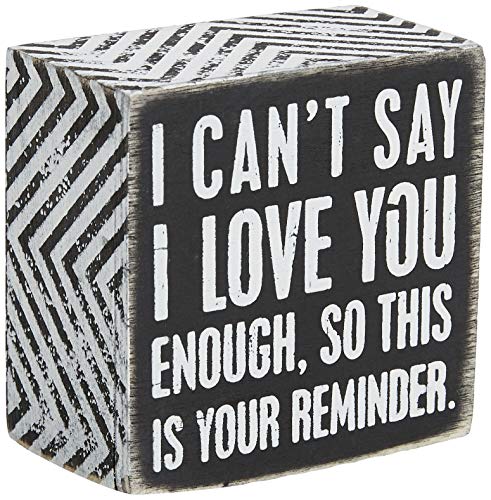
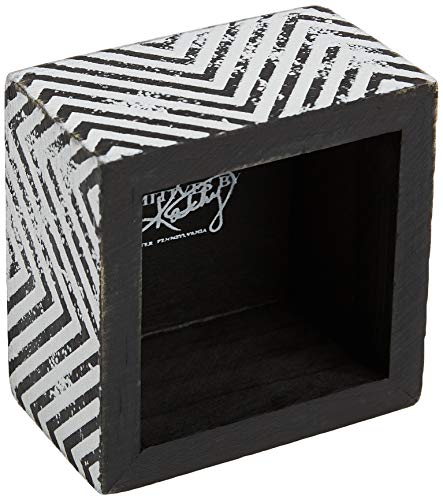
The hallmark of a high-quality primitive plaque is its tactile quality. Avoid pieces that look overly 'printed' or plasticky. Instead, look for plaques that utilize layered materials—such as distressed wood, burlap accents, and hand-painted finishes. A great primitive plaque should have visible 'imperfections' like faux cracking, sanded edges, or uneven pigment application. These details are intentional and are what give the item its character. If a plaque feels too smooth or uniform, it may lack the soul required to blend seamlessly into a true primitive decor scheme.
Consider Scale and Placement Strategy
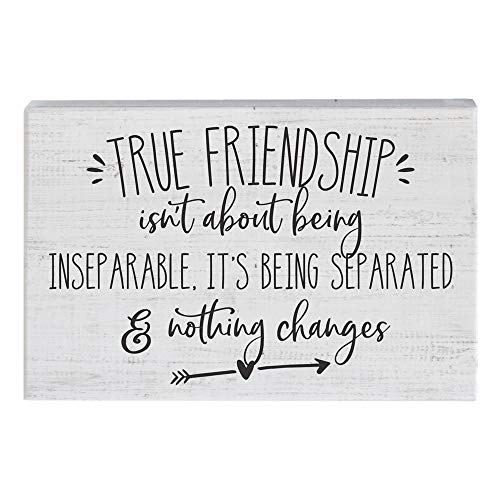
One of the most common mistakes in primitive decorating is purchasing plaques that are too small for their intended space, making them look like cluttered trinkets rather than intentional decor. If you are decorating a mantle, look for larger, statement plaques that can act as a focal point. If you are building a tiered tray display or a kitchen nook arrangement, smaller, more intricate plaques are better suited for layering. Always consider the 'visual weight' of the piece. A dark, heavy-looking wooden plaque will command more attention than a lighter, whitewashed version, even if they are the same size.
Theme and Seasonality
Because many of these plaques are themed, you must decide between evergreen decor and seasonal rotation. Evergreen pieces often feature neutral motifs like sunflowers, crows, or general farmhouse typography, which can stay up year-round. Seasonal plaques—focused on autumn harvests, winter holidays, or spring blooms—are excellent for collectors who enjoy refreshing their home's energy every few months. If you are a beginner, start with a few neutral, high-quality wooden plaques before investing in a large collection of seasonal items.
The Logic of Collection Building
When selecting your first few pieces, think in terms of a cohesive palette. A successful collection doesn't mean buying every design. It means choosing pieces that share a common color story or wood tone. If you buy a plaque with a heavy dark-oak finish, try to ensure your subsequent purchases complement that warmth rather than clashing with a cool-toned, grey-wash aesthetic. This creates a curated, collected-over-time look rather than a mismatched assortment.