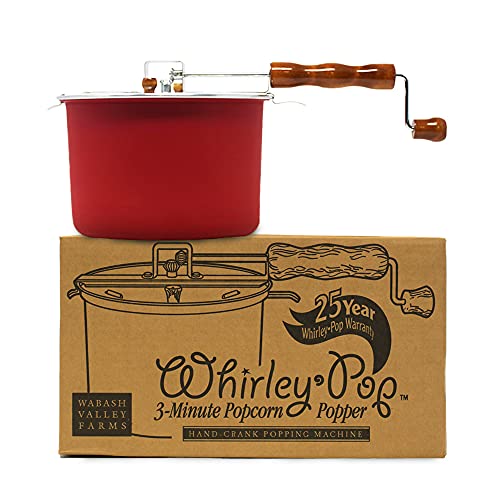
Understanding Heat Distribution and Material Quality
The most critical factor in selecting a popper is the material used for the cooking vessel. High-quality poppers, particularly those designed for stovetop use, prioritize thermal conductivity. You want a vessel that distributes heat evenly across the entire surface area to prevent 'hot spots.' Hot spots are the enemy of gourmet popcorn. They cause the kernels at the bottom to scorch while the kernels at the top remain unpopped. Look for heavy-gauge stainless steel or cast aluminum constructions. These materials retain heat steadily, allowing for a consistent temperature that triggers a rapid, uniform pop across the entire batch. If you are opting for an electric popper, ensure the heating element is robust enough to maintain high temperatures quickly, as a slow rise in heat can lead to oily, heavy kernels.
Airflow and Steam Management
One of the most common mistakes in home popping is trapped steam. When kernels pop, they release moisture. If that moisture cannot escape the popper immediately, it settles back onto the popcorn, turning your crisp snack into a chewy, limp disappointment. When evaluating poppers, look for designs that feature effective venting. High-end poppers often incorporate a lid with specific vent placement or a specialized mechanism that allows steam to escape while preventing the oil from splashing out. If you are exploring air-poppers specifically, the airflow design is even more vital. The internal chamber must create a high-velocity vortex to propel the popped corn out of the unit before it can lose its crunch.
Capacity and Versatility
Before making a purchase, consider your typical serving size and how you intend to use the device. Some poppers are designed for small, single-serving batches, making them ideal for individual snacking or quick treats. Others are built with larger capacities, perfect for family movie nights or hosting gatherings. Furthermore, consider how much 'flavor control' you want. Stovetop poppers offer the highest level of versatility, allowing you to experiment with different fats—such as coconut oil, ghee, or clarified butter—and artisanal seasonings added directly to the pot. If you prefer a hands-off approach, electric models offer convenience but may offer less control over the specific oil-to-kernel ratio.
Maintenance and Longevity
A great popper should be an investment that lasts for years. Because popcorn involves high heat and oils, the cleaning process is a key consideration. Avoid units with overly complex electronic components that are difficult to wipe down. For stovetop models, look for handles that stay cool to the touch and lids that are easy to detach for thorough washing. A sturdy, well-built popper should feel substantial in your hand, signaling that it can withstand the repeated thermal expansion and contraction that comes with frequent use. When you invest in a high-quality popper, you aren't just buying a tool. You are investing in a reliable way to elevate a simple kernel into a gourmet experience.