Prioritize the Wood Species
The soul of an Amish porch swing lies in the timber used to build it. Because these pieces live outdoors, the species of wood dictates both the longevity and the maintenance requirements. Most premium swings are constructed from North American hardwoods. Cedar is a perennial favorite because of its natural resistance to rot, decay, and insect infestation, making it ideal for humid climates. White Oak is another exceptional choice, offering immense structural strength and a beautiful grain pattern, though it requires consistent sealing to prevent weathering. If you are looking for a classic, high-end look, Cherry or Maple can be used, but these are often better suited for covered porches where they are protected from direct rain and intense UV exposure. Always ask whether the wood has been kiln-dried, as this ensures stability and prevents warping or cracking once the swing is installed in your outdoor space.
Evaluate Joinery and Construction Methods
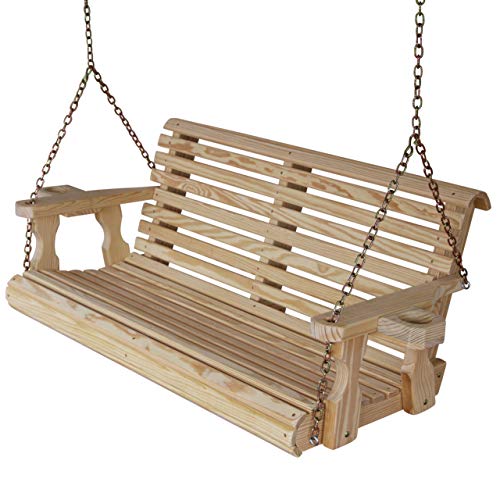
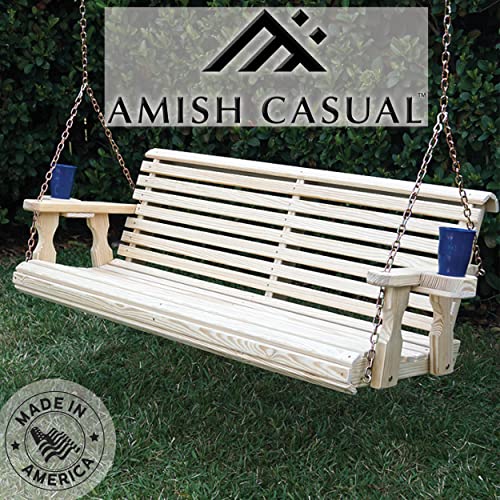
The hallmark of true Amish craftsmanship is how the pieces are put together. Avoid swings that rely heavily on metal brackets, screws, or glue alone to hold the weight. Instead, look for swings that utilize traditional mortise-and-tenon joinery. This method involves interlocking pieces of wood, creating a mechanical bond that is significantly stronger than a simple screw through a plank. A well-constructed swing should feel incredibly rigid when you sit in it, with zero wobbling or creaking. Pay close attention to the armrests and the slats. They should be smooth to the touch, indicating high-quality sanding and finishing. A swing built with superior joinery will not only feel more secure but will also maintain its structural integrity for decades rather than seasons.
Consider Capacity and Dimensions
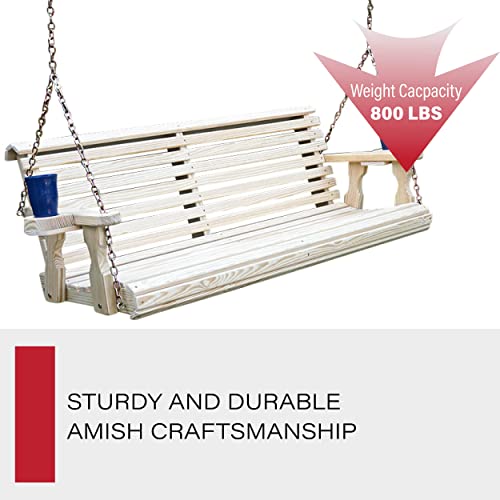
Before finalizing your purchase, you must measure your available space and consider how the swing will be used. A 'casual' swing can range from a compact two-person loveseat to a sprawling three-to-four-person bench. Measure your porch width to ensure you have enough clearance for the swing to move back and forth without hitting walls or railings. Furthermore, verify the weight capacity. Amish-built swings are typically much sturdier than retail store models, but it is still vital to ensure the frame can support the intended number of adults. If you plan on using the swing for lounging with children or pets, opting for a wider model with deep seating will provide much better comfort.
Finish and Maintenance Requirements
The finish applied to your swing determines how much work you will have to do every year. Most Amish swings come with a factory-applied stain or a clear protective coat. If your porch is fully exposed to the sun and rain, a darker, high-quality UV-resistant stain can help protect the wood fibers from bleaching. If you prefer a natural look, be prepared to re-seal the wood annually to prevent the graying effect caused by oxidation. For those who want a 'set it and forget it' approach, look for swings that have been treated with deep-penetrating oils that nourish the wood from the inside out, providing a more resilient barrier against moisture.