Determine Your Mounting Style
The first decision in selecting a pot rack is where it will live. There are three primary mounting configurations, each serving a different kitchen layout. Ceiling-mounted racks are the gold standard for professional-looking kitchens. They hang from the ceiling, often using chains or rods, and are ideal for large, heavy collections. However, they require a sturdy ceiling joist for installation. Wall-mounted racks are excellent for smaller kitchens or those with limited overhead space. These typically feature a horizontal bar or a series of hooks attached to a backsplash or wall, making them easy to access but limited by the weight the wall can support. Finally, countertop or island racks are the most flexible. These require no drilling and are perfect for renters, though they do consume a small amount of workspace.
Evaluate Weight Capacity and Material Durability
Pottery and cookware are deceptively heavy. A single large cast iron pot can weigh significantly more than a standard aluminum saucepan. When browsing racks, look specifically for the rated weight capacity. You should always choose a rack that can handle at least 20% more weight than your estimated collection to ensure stability. Material choice is equally critical. Stainless steel is the premier choice for longevity and rust resistance, especially in humid kitchen environments. Wrought iron offers an industrial, heavy-duty aesthetic and incredible strength, though it may require occasional oiling to prevent oxidation. Avoid lightweight plastics or thin aluminum if you plan on hanging heavy Dutch ovens or multi-piece sets.
Consider Hook and Rail Configuration
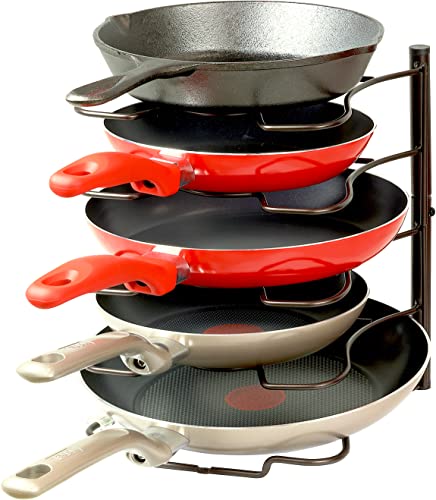
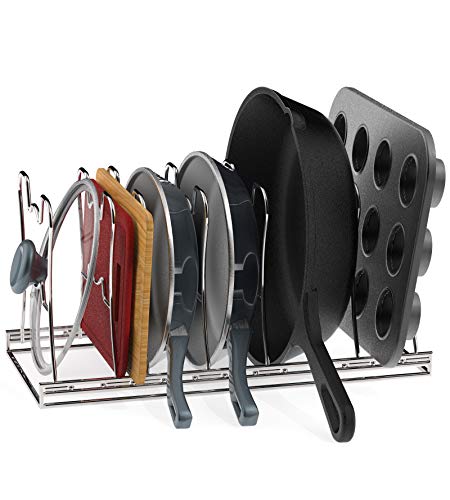
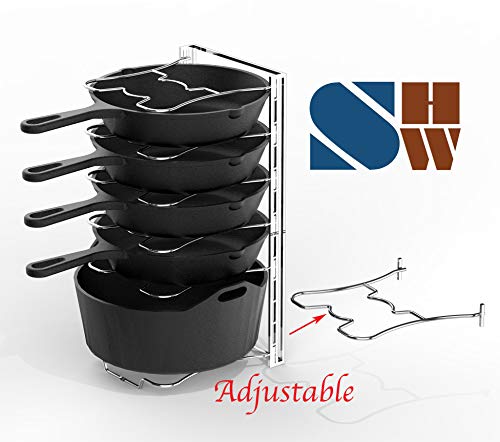
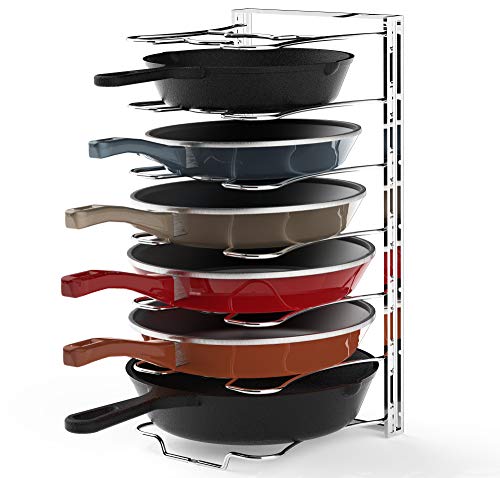
Not all racks are built for the same types of pans. Some racks utilize a single long rail with S-hooks, which allows for great flexibility in how you space your items. Others use a basket-style design, which is superior for stacking smaller lids or nesting lightweight bowls. Pay attention to the hook depth. If you have deep pots with thick handles, shallow hooks may cause the pot to tilt or slide off. A versatile rack should allow you to adjust the spacing between items, ensuring that a large stockpot doesn't prevent you from hanging a smaller sauté pan next to it.
Space Optimization and Aesthetics
A pot rack should complement your kitchen's visual language. A sleek, minimalist stainless steel rack works well in modern or professional kitchens, while a dark, rustic iron rack complements farmhouse or traditional styles. Beyond looks, consider the 'vertical footprint.' A ceiling rack that hangs too low can impede sightlines or interfere with tall appliances, while a wall rack that is too high makes it difficult to reach your most frequently used items. Measure your clearance carefully, accounting for the height of your tallest handles, to ensure the rack provides accessibility rather than an obstacle.