Prioritize Material Density and Composition
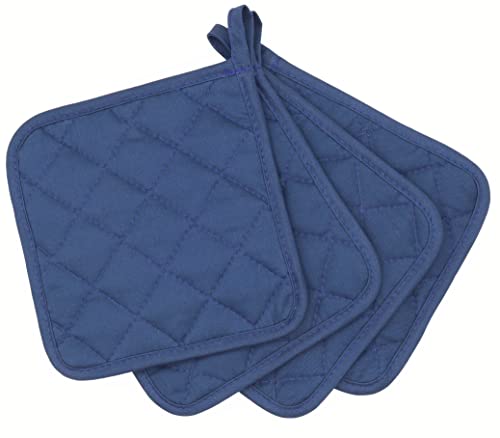
The primary function of a potholder is thermal insulation, which is directly dictated by the thickness and weave of the fabric. When evaluating options, look for high-density cotton weaves or quilted multi-layer constructions. A single layer of thin fabric will allow heat to transfer to your skin almost instantly, defeating the purpose of the tool. The best potholders utilize a layered approach, often featuring a heavy-duty outer shell and a thick, absorbent inner batting. This internal padding creates air pockets that act as a buffer against extreme temperatures. If you frequently work with heavy Dutch ovens or professional-grade cookware, prioritize a heavier gram weight in the fabric to ensure the heat doesn't penetrate the material during prolonged contact.
Assess Grip and Surface Texture
Heat protection is useless if the potholder slips off the handle of your pan. A common mistake is choosing a potholder that is too smooth. Look for textures that provide tactile feedback—such as waffle weaves, silicone-printed patterns, or heavy quilting. These textures increase the coefficient of friction between the potholder and the cookware. In a kitchen environment, moisture (from steam or condensation) can make surfaces incredibly slick. Therefore, a potholder with a non-slip texture is a critical safety feature. If you find yourself handling heavy, awkward handles, a textured surface will help you maintain a secure hold with less muscular effort.
Consider Ergonomics and Size
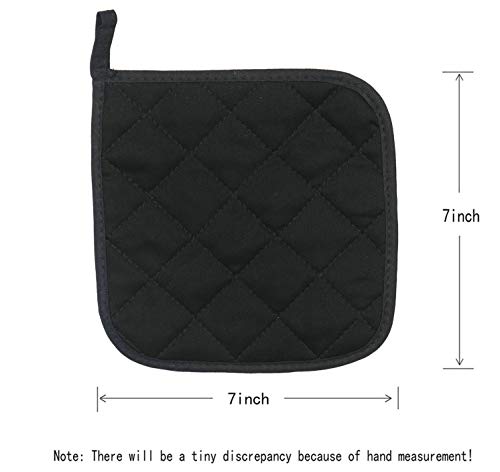
Not all potholders are shaped equally. Some are designed as simple squares, while others feature a more ergonomic, mitt-like shape or integrated loops for hanging. For precision tasks, such as adjusting a lid or grabbing a small handle, a smaller, more flexible potholder allows for better finger dexterity. However, for heavy-duty lifting, a larger surface area is preferable to ensure the heat source is completely covered and your hand is fully shielded. Check the dimensions to ensure the potholder is large enough to wrap around standard pot handles without leaving your fingertips exposed to the heat.
Durability and Maintenance Requirements
Kitchen tools are subject to frequent laundering and high-stress usage. To ensure your investment lasts, check the stitching quality. Reinforced edges and double-stitched seams are indicators of a product that can withstand the repeated pulling and stretching inherent in kitchen work. Furthermore, consider how the potholder will be cleaned. Since they frequently come into contact with food spills and oils, they should be machine washable. Avoid materials that might shrink excessively or lose their loft (fluffiness) after a single wash, as a compressed potholder loses its insulating properties. A high-quality potholder should maintain its thickness and structural integrity even after dozens of cycles through the laundry.
Summary of Selection Logic
When making your final decision, follow this hierarchy: First, confirm the material is thick enough to provide a thermal barrier. Second, ensure the texture provides enough grip to prevent slipping. Third, match the size and shape to your most frequent cooking tasks. By focusing on these technical specifications rather than just aesthetic patterns, you ensure that your potholders serve as a reliable safety tool in your culinary arsenal.