Define Your Primary Use Case
Before browsing styles, determine exactly how the pouf will be utilized in your home. This is the most critical step in ensuring you don't end up with a piece that is either too flimsy or too cumbersome. If you intend to use the pouf as an ottoman for footrests, look for models with a higher density of filling to ensure they don't bottom out under the weight of your legs. If the goal is auxiliary seating for guests, prioritize structural integrity and a firmer core. For those seeking a decorative accent or a soft surface for a child to lounge on, softer, more pliable fabrics and lighter fillings are preferable. Understanding whether your pouf is a 'seat,' a 'footrest,' or an 'accent' will dictate every other decision you make.
Material and Texture Selection
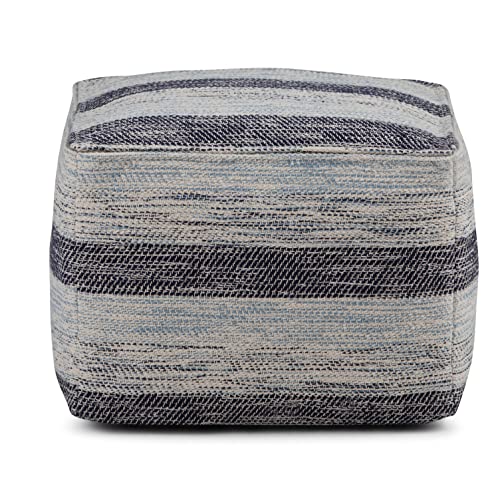
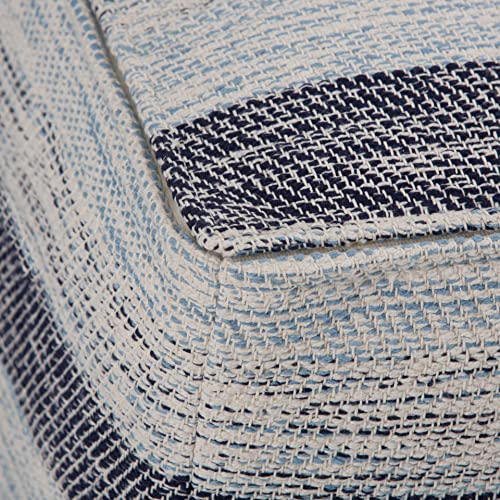
The material of a simplihome pouf does more than just look good. It dictates the maintenance level and the 'vibe' of the room. Woven fabrics, such as cotton or jute blends, offer a bohemian, organic feel that works beautifully in coastal or farmhouse aesthetics. These are excellent for adding depth to a room but may require more frequent vacuuming due to the texture. On the other hand, velvet or smooth synthetic blends provide a more sophisticated, mid-century modern look and are often easier to wipe clean. When selecting a material, consider your household: if you have pets or young children, opt for durable, tightly woven fabrics that can withstand friction and are easier to spot-clean.
Size, Scale, and Proportion
A common mistake is choosing a pouf that is either too small, making it look like a mere cushion, or too large, which can disrupt the flow of a room. For a coffee table replacement, a large, oversized circular pouf can create a cozy, lounge-like atmosphere. If you are placing the pouf in a corner or next to an armchair, a smaller, more compact silhouette is better suited to the scale. Always measure your existing furniture to ensure the height of the pouf is compatible. For example, if using it as a footrest, the pouf should ideally sit at a height that allows your legs to rest comfortably without straining your knees.
Durability and Construction Quality
Because poufs undergo significant physical pressure, the quality of the internal construction is paramount. Look for reinforced stitching along the seams, as this is where most tension occurs. A well-made pouf should maintain its shape even after repeated use. If the product features a removable cover, this is a massive advantage for long-term usability, allowing you to deep-clean the textile without having to wash the entire structural core. Check the weight of the item as well. A slightly heavier pouf often indicates a denser, more durable filling that will resist sagging over time.
Color and Pattern Integration
Finally, use the pouf as a tool for color theory. A neutral-toned pouf in cream, grey, or tan is a safe, timeless investment that works with any existing decor. However, if your room feels 'flat,' a patterned or vibrantly colored pouf can act as a focal point that ties together various accent colors in your pillows, rugs, or wall art. Don't be afraid to experiment with bold textures to create visual interest in a monochromatic room.