Identify Your Riding Discipline
The most significant factor in your decision should be the specific type of riding you do. Alpinestars categorizes much of its lineup based on intent. For off-road enthusiasts, such as motocross or enduro riders, you should prioritize breathability, flexibility, and grip. These gloves often feature lightweight synthetic fabrics and reinforced palms to handle the constant vibration and friction of clutch and brake manipulation. Conversely, if you are an adventure or street rider, you will likely need more substantial armor. Street-focused gloves prioritize abrasion resistance—using premium leathers and stingray skins—to protect against sliding during a high-speed incident. Choosing an off-road glove for highway speeds is a mistake, as they lack the necessary palm-slide protection required for asphalt contact.
Evaluate Impact Protection and Armor Technology
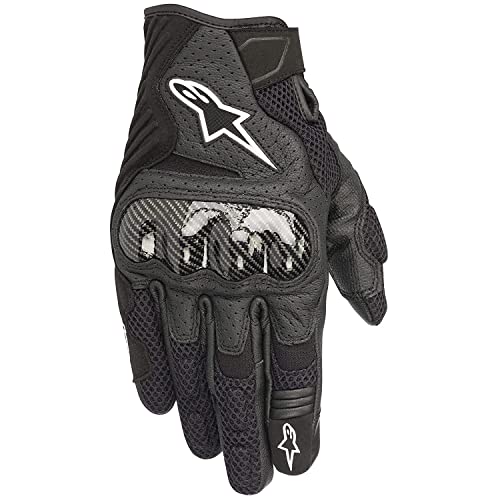
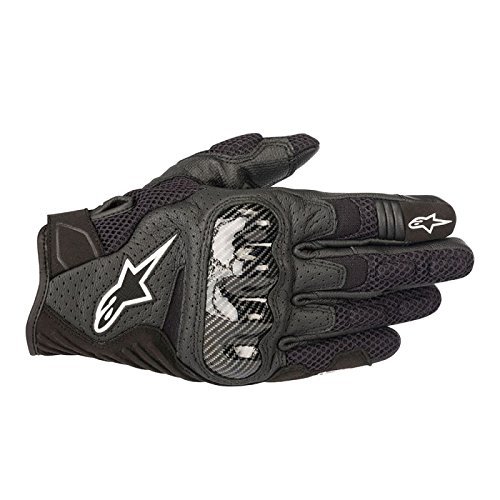
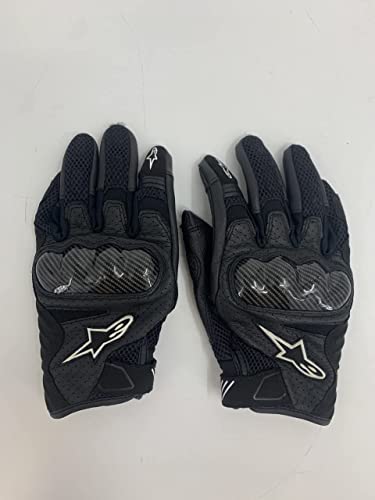
Safety in powersports is measured by how well a glove manages energy during an impact. Look for gloves that feature integrated knuckle protection. Alpinestars is known for using hard-shell protectors, often made of TPU or carbon fiber, which deflect blunt force. Beyond the knuckles, pay attention to the palm and finger protection. High-end models often include palm sliders, which are designed to allow your hand to slide across the ground rather than 'catching' on the pavement, which can lead to wrist fractures. For technical riders, check for finger-bridge reinforcements that prevent the fingers from being squeezed together during a crash, maintaining your ability to grip the controls even after an impact.
Material Composition and Weather Resistance
The material of the glove dictates both its longevity and its comfort level. Leather remains the gold standard for abrasion resistance and long-term durability. If you ride in varying climates, consider the seasonal utility. Summer gloves are typically constructed from perforated leather or high-tenacity mesh to facilitate airflow and prevent sweat-induced numbness. Winter or touring gloves, however, should feature waterproof membranes and thermal linings. When selecting a glove, ask yourself if you need a 'ventilated' feel for high-intensity riding or a 'shielded' feel for long-distance comfort. A glove that is too heavy for a summer ride will cause fatigue, while a glove that is too thin for winter will lead to loss of dexterity due to cold.
Tactile Feedback and Ergonomics
ext{
A glove is useless if you cannot feel the throttle or the brake lever. This is where ergonomics become vital. Look for pre-curved finger designs. These are anatomically shaped to mimic the natural resting position of your hand, reducing muscle strain over long sessions. The thickness of the palm material is a delicate balance: too thick, and you lose the 'feel' of the machine. Too thin, and you lose protection. High-quality powersports gloves utilize varying thicknesses—extra padding in the impact zones and thinner, more flexible material in the finger joints to ensure you maintain surgical precision over your controls.