Material Composition: Cotton vs. Polyester vs. Blends
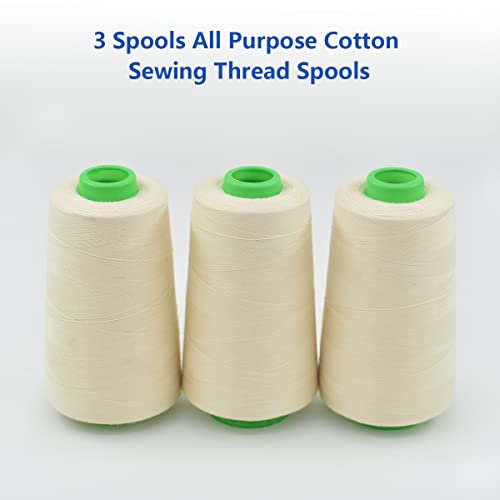
The most critical decision you will make is the fiber content. For traditional piecing, many quilters swear by 100% long-staple cotton. Cotton thread is preferred for piecing because it has a slight natural elasticity and a matte finish that blends seamlessly into cotton fabrics. However, cotton can sometimes lack the strength required for heavy quilting. On the other hand, 100% polyester thread is the gold standard for the actual quilting process. Polyester is incredibly strong, has a slight 'give' that prevents breakage during high-speed stitching, and is much smoother, which reduces friction in the machine's tension discs. If you are doing decorative topstitching or working with modern synthetics, polyester is your best bet. For those who want a hybrid approach, cotton-wrapped polyester offers the strength of a synthetic core with the aesthetic look of cotton.
Thread Weight and Tex Value
Not all threads are created equal in thickness. In quilting, you will encounter different 'weights.' For standard piecing, you want a fine thread that won't create bulk in your seams. If your thread is too thick, your seam allowances will become bulky, leading to uneven corners and difficulty turning blocks. When looking at thread specifications, pay attention to the 'Tex' rating—a metric used to describe the linear mass of the thread. A lower Tex number indicates a finer thread. For intricate piecing, look for a fine Tex. For heavy decorative quilting or embroidery work on the quilt surface, you might opt for a slightly heavier weight to create visual texture.
Colorfastness and Dye Quality
A common mistake among novice quilters is selecting a thread based solely on a visual match under artificial light. A thread that looks perfect in the shop may bleed color onto your light-colored fabrics during the first wash. Always look for high-quality, mercerized threads. Mercerization is a treatment that increases the thread's luster and, more importantly, its affinity for dye, making it much more resistant to fading and bleeding. When working with dark fabrics like navy or black, ensure the thread is specifically rated as colorfast to prevent 'crocking' or dye transfer onto your quilt batting or backing.
Luster and Finish
The visual finish of your thread can change the entire mood of a quilt. Matte threads are excellent for 'invisible' piecing, where you want the stitches to disappear into the fabric. If you are performing free-motion quilting or decorative motifs, you might prefer a thread with a slight sheen or luster. A high-sheen polyester thread can act as a subtle embellishment, catching the light and adding a professional, high-end dimension to your work. Consider the overall aesthetic of your quilt: a rustic, primitive quilt benefits from matte cotton, while a modern, high-contrast quilt might pop with a silky polyester.
Quantity and Value Logic
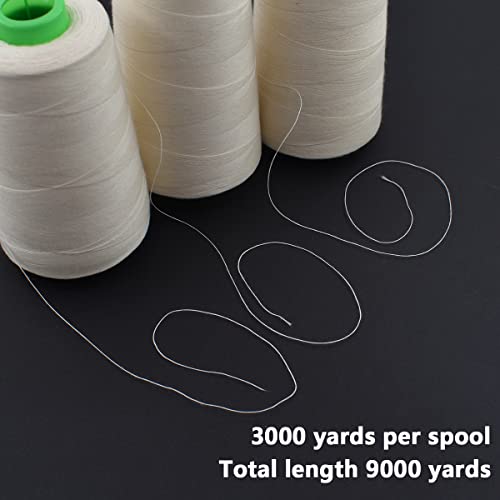
Finally, consider your volume of work. For piecing, large cones are more economical and prevent the constant interruption of changing small spools. However, for decorative quilting, smaller spools of specialized colors are often more practical. When calculating value, do not just look at the price per spool. Look at the yardage provided. High-quality threads are often wound more tightly and consistently, meaning you get more actual sewing distance per gram than cheaper, loosely wound alternatives.