Verify Core Material and Construction Quality
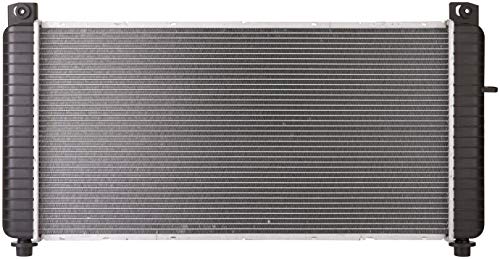
The most significant factor in radiator performance is the material composition of the core. Premium radiators typically utilize high-grade aluminum or a combination of aluminum cores with copper/brass tanks. Aluminum is favored in modern high-performance applications because it offers superior heat dissipation properties and is significantly lighter than traditional materials. When evaluating a radiator, look for thick-wall construction and reinforced tanks. A radiator with a larger core surface area will transfer heat more efficiently, which is vital for vehicles that experience heavy idling or frequent high-load driving. Avoid thin, flimsy cores that may succumb to vibration-induced cracking or internal pressure buildup.
Understand Flow Rate and Fin Density
Heat exchange is a game of surface area and airflow. The density of the fins on the radiator core determines how much air can pass through the unit and how much heat can be stripped from the coolant. High-density fin patterns provide more surface area for cooling but can sometimes restrict airflow if not engineered correctly. A quality radiator balances fin density with optimized tube spacing to ensure that the cooling fan can pull enough air through the core to maintain stable temperatures even in stop-and-go traffic. If you are driving in arid, high-temperature climates, prioritizing a model with optimized thermal transfer capabilities is a non-negotiable requirement.
Compatibility and Connection Integrity
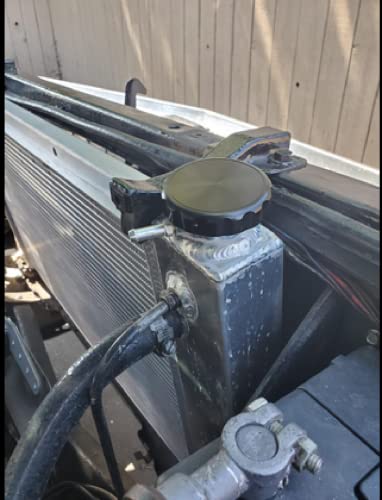
A radiator is only as good as its ability to integrate with your existing cooling system. You must ensure that the inlet and outlet port configurations match your vehicle's hoses exactly. Beyond simple fitment, pay close attention to the mounting points. Premium radiators are designed with precise bracket locations to prevent movement. A radiator that shifts during operation will quickly lead to hose fatigue and leaks. Additionally, consider the integrated components. Some radiators come with pre-installed filler necks or specific mounting hardware, while others require you to reuse old parts. For maximum reliability, look for units that feature high-quality seals and corrosion-resistant mounting hardware.
Consider Pressure Management and Durability
The cooling system operates under significant pressure. A low-quality radiator may bulge or leak at the seams when the engine reaches operating temperature. Premium models are tested to withstand the specific pressure ratings required by your vehicle's cooling system. When making your selection, look for evidence of robust seam welding and reinforced headers. These structural reinforcements prevent the 'ballooning' effect that often leads to catastrophic failure in cheaper, stamped-metal alternatives. Investing in a unit that handles thermal expansion and pressure cycles gracefully will save you from the much higher costs of an overheated engine block or blown head gasket.