Understanding Recessed Installation Types
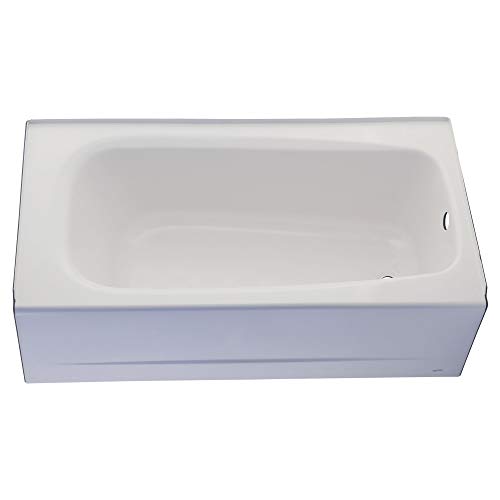
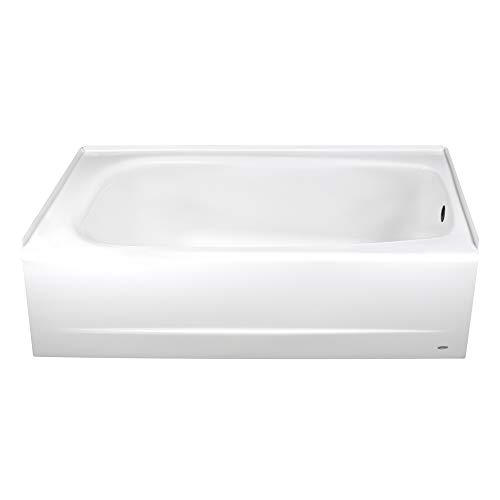
The first decision you must make is how much of the tub will be visible. American Standard offers several configurations that dictate the aesthetic and the complexity of your renovation. A standard recessed tub features a rim that sits atop a built-in deck, often surrounded by tile or stone. This is the most common choice for traditional bathrooms where the tub is tucked into a corner or an alcove. If you are looking for a more seamless, high-end look, you might consider a drop-in style, which requires a custom-built surround. Understanding the depth of the apron and the width of the ledge is critical. If you plan to add heavy marble tiling around the edge, ensure the tub's flange is designed to accommodate that specific weight and thickness.
Material Composition and Heat Retention
In the realm of American Standard models, material choice is the primary driver of both durability and comfort. Most recessed tubs are constructed from acrylic or enameled cast iron. Acrylic is a popular choice because it is lightweight, easy to clean, and possesses excellent thermal properties, meaning it holds warm water for longer periods. This makes it ideal for deep soaking sessions. On the other hand, cast iron tubs are incredibly heavy and durable. They offer a premium, substantial feel and are virtually scratch-proof, but they require a reinforced floor and a much more intensive installation process. When deciding, consider your home's structural capacity and whether you prioritize a modern, easy-to-install acrylic or a lifetime-investment cast iron piece.
Ergonomics and Soaking Depth
A recessed tub is often chosen to maximize space without sacrificing the luxury of a soak. To ensure you are getting the most out of your purchase, look beyond the exterior dimensions and focus on the interior ergonomics. Check the depth of the basin. A shallow tub may look beautiful in a layout but will fail to provide the immersive experience you desire. Look for contoured backrests and lumbar support built into the tub's interior shape. American Standard often incorporates ergonomic sloping to allow for a more natural reclining position. If you are tall, pay close attention to the length of the interior floor to ensure your legs aren't cramped against the end of the basin.
Plumbing Integration and Maintenance
Because recessed tubs are built into the architecture, the plumbing is often less accessible than it would be with a freestanding model. This makes the quality of the overflow and drain assembly vital. Look for models that feature easy-to-clean surfaces and integrated overflow systems that prevent water damage to your surrounding tile or cabinetry. Additionally, consider the placement of your faucet. Since the tub is recessed, you will likely be using a wall-mounted faucet or a deck-mounted spout. Ensure the tub's rim design is compatible with your intended hardware to avoid costly plumbing relocations mid-renovation.
Final Recommendation Logic
When narrowing down your selection, use this hierarchy of needs: First, verify the physical footprint matches your alcove or corner dimensions. Second, select your material based on your floor's weight capacity (Acrylic for most residential builds, Cast Iron for luxury/heavy-duty builds). Third, prioritize the interior depth to ensure the 'soak' is actually achievable. By following this logic, you ensure that your American Standard recessed tub is not just a beautiful fixture, but a functional sanctuary that enhances your home's value.