Understanding Material Composition and Texture
The first decision factor in selecting a Berwick Offray ribbon is the base material. This category spans a wide spectrum of textures, from the high-gloss elegance of satin to the rustic, organic feel of grosgrain. Satin ribbons offer a smooth, reflective surface that is ideal for bridal wear, luxury gift packaging, and formal hair accessories. However, they can be slippery to work with when tying intricate bows. If your project requires more grip and a structured shape, look toward grosgrain options. The characteristic ribbed texture of grosgrain provides excellent tension, making it the preferred choice for garment trim and heavy-duty decorative accents. For those seeking a more matte, understated look, velvet or organza varieties provide depth and translucency that can add layers of sophistication to multi-ribbon designs.
Width and Scale for Project Integration
Width is a critical technical specification that determines the visual weight of your design. A common mistake is selecting a ribbon that is too narrow for the surface area it is meant to decorate, or too wide for delicate detail work. For millinery and hat making, medium-width ribbons (typically between 15mm and 38mm) allow for elegant looping without overwhelming the structure. If you are creating fine embroidery or delicate hair bows, narrow ribbons provide precision. Conversely, if you are wrapping large gift boxes or creating wide decorative borders on upholstery, wider ribbons create a sense of luxury and intentionality. Always consider how the width will interact with your primary material. A wide satin ribbon on a heavy wool fabric creates a striking contrast, whereas a thin silk ribbon might get lost in the texture.
Color Permanence and Dye Quality
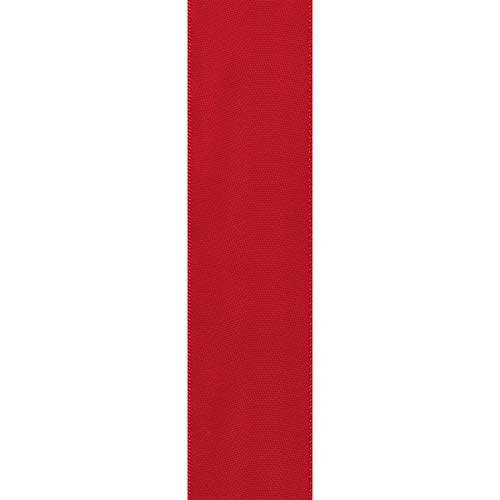
One of the hallmarks of premium ribbons is how they hold color under different lighting conditions. When choosing your palette, consider whether the ribbon will be exposed to sunlight or frequent handling. High-quality ribbons in this category are treated to ensure that the pigment penetrates the fibers deeply, preventing the 'washed out' look that occurs with cheaper alternatives. For festive or seasonal decor, look for high-saturation tones that maintain their vibrancy. If you are working on a professional garment, ensure that the ribbon color matches your fabric swatch under both natural and artificial light, as the sheen of the ribbon can significantly alter the perceived color of the textile it is attached to.
Edge Integrity and Ease of Application
A major frustration in crafting is dealing with excessive fraying. When evaluating a ribbon, consider how the edges are finished. While most ribbons require heat-sealing or fray-check treatments, the density of the weave plays a massive role in how well the ribbon holds its shape after being cut. A tightly woven ribbon will resist unraveling better than a loose-weave chiffon. If your project involves sewing the ribbon directly onto a moving garment, prioritize ribbons with a stable weave that won't distort or stretch unevenly during the stitching process. This structural stability ensures that your bows stay crisp and your trims remain straight over time.