Evaluate Internal Configuration and Customization
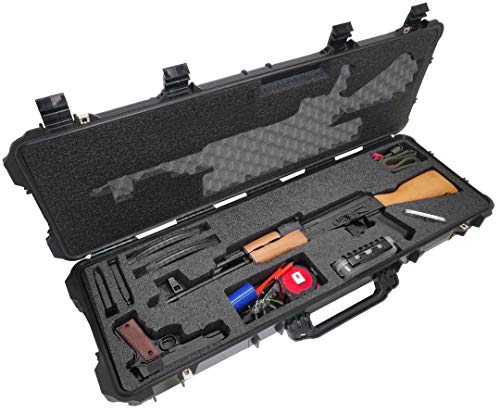
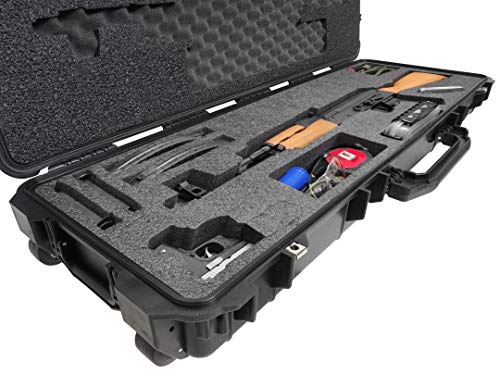
The most critical factor in selecting a rifle case is the internal architecture. A generic foam block is rarely sufficient for modern tactical or precision setups. You should look for cases that offer high-density, customizable foam—often referred to as pluck foam—which allows you to create custom cavities for your specific rifle profile, bipods, and magazines. However, for high-end long-range setups, look for pre-cut foam designed specifically for large-diameter optics. If your scope has a significant objective lens diameter, a standard foam layout might apply uneventy pressure, potentially shifting your point of impact. A case that allows for specialized bracing around the trigger guard and the optic is essential for maintaining precision.
Hard Shell vs. Soft Sided Durability
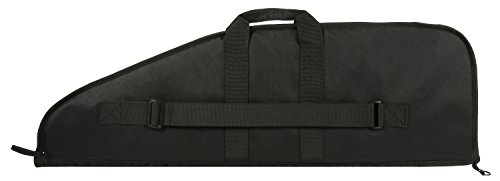
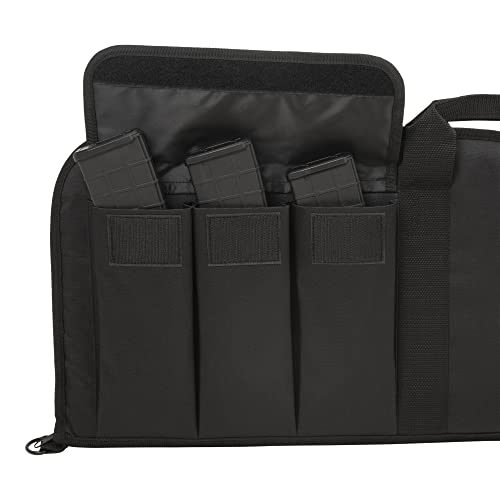
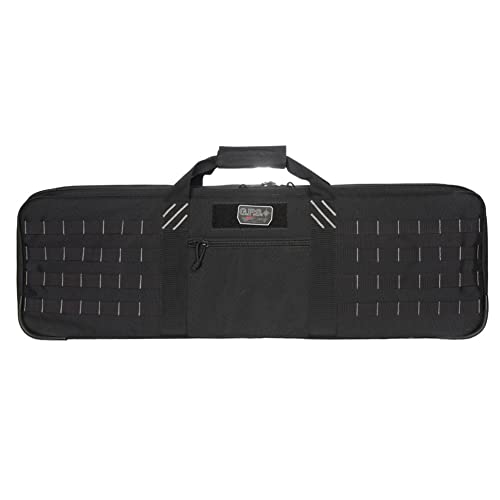
In the realm of high-performance cases, the debate usually settles between rigid polymer shells and heavy-duty reinforced fabric. Hard cases offer superior protection against crushing forces and are ideal for air travel or stacking in vehicle trunks. They provide a moisture-resistant seal that is vital for preventing corrosion during humidity spikes. On the other hand, soft-sided cases, while offering less impact resistance, provide much-needed flexibility and weight savings. If you are frequently moving between different shooting locations in a vehicle, a soft-sided case might be more ergonomic, but if your priority is long-term storage or extreme environments, a hard-shell case is the industry standard for a reason.
Environmental Sealing and Hardware Integrity
A premium rifle case must act as a barrier against the elements. When reviewing specifications, pay close attention to the sealing mechanism. Look for cases equipped with O-ring gaskets that create an airtight and watertight seal when the latches are engaged. This is non-negotiable if you live in coastal areas or plan on transporting gear through varying climates. Furthermore, inspect the hardware. Plastic latches are prone to snapping under stress. Instead, prioritize cases with stainless steel or reinforced polymer latches and heavy-duty, recessed handles. Recessed handles are particularly important because they prevent the handle from catching on objects or being sheared off during transit.
Portability and Weight Distribution
It is easy to over-spec a case and end up with a piece of equipment that is too heavy to move comfortably. A rifle case that is overbuilt with thick walls and massive amounts of foam can quickly become cumbersome. Consider the balance of the case when it is fully loaded. Look for designs that feature ergonomic, padded handles that distribute weight across the palm rather than digging into the fingers. If you frequently travel alone, the ease of maneuvering the case through an airport or across a range is just as important as its ability to survive a drop.
Summary Recommendation Logic
To make your final decision, follow this logic: If you are a competitive long-range shooter, prioritize customizable, high-density foam and a hard-shell exterior. If you are a casual hunter or range enthusiast, focus on a balance of weight and organization. Always ensure that the internal dimensions accommodate your longest accessory, such as a suppressor or a specialized bipod, to avoid forcing the lid shut and putting undue pressure on your optic.