Understanding Rotor Architecture: Slotted vs. Drilled
The first major decision you will face is the physical pattern of the rotor surface. Arashi offers several variations, and each serves a distinct purpose. Drilled rotors feature holes that penetrate the surface of the disc. These are excellent for heat dissipation and helping gases escape from between the pad and the rotor, which reduces brake fade. They are visually striking and work well for street performance. However, for heavy track use, drilled holes can sometimes act as stress concentrators, potentially leading to micro-cracking under extreme thermal cycling.
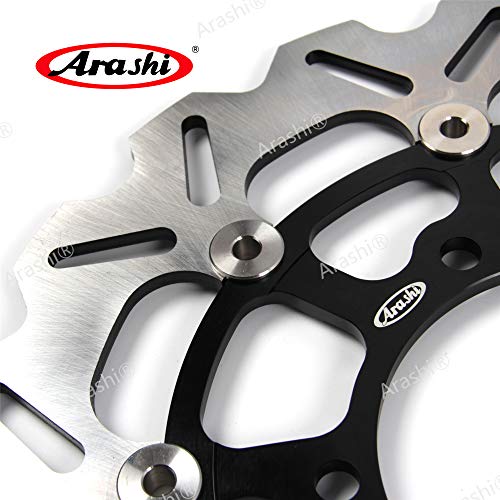
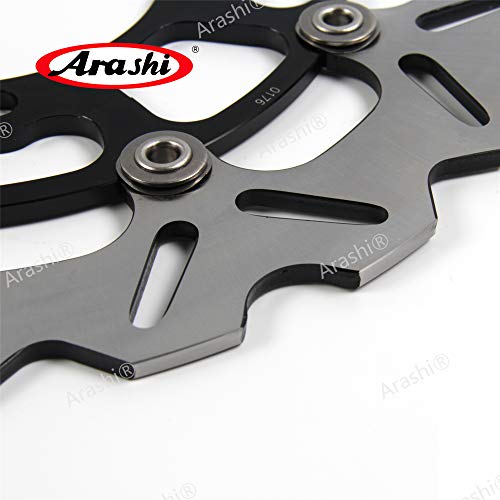
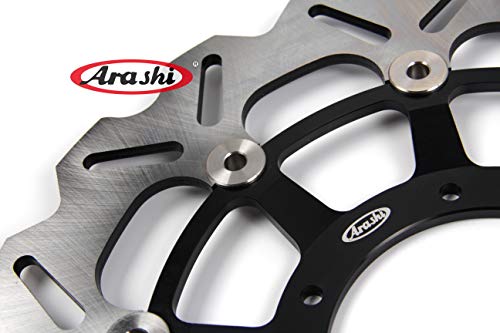
Slotted rotors, on the other hand, feature grooves machined into the surface. These slots act as a mechanical way to 'wipe' the brake pads, clearing away dust, debris, and outgassing. This ensures more consistent contact between the pad and the rotor, providing a more predictable pedal feel during aggressive braking. If your driving involves frequent high-speed deceleration or spirited canyon carving, a slotted design often provides a more robust solution than a purely drilled one.
Material Composition and Thermal Management
A high-quality rotor is defined by its ability to manage heat without warping. When evaluating performance rotors, look for high-carbon content in the iron composition. High-carbon rotors are more resistant to thermal shock and provide better structural integrity when they reach high temperatures. This is critical because once a rotor reaches its limit, it can undergo 'heat checking' or permanent deformation, leading to steering wheel vibration during braking.
Furthermore, consider the cooling vanes inside the rotor. A rotor with a more complex internal vane structure (such as curved or directional vanes) will pump more air through the center of the disc, creating a centrifugal effect that pulls heat away from the friction surface. This is the difference between a rotor that performs well for three stops and one that performs well for thirty.
Coating and Corrosion Resistance
One of the most common complaints with performance rotors is 'rust bloom'—the unsightly orange oxidation that appears on the non-contact surfaces (the hat and the edges) after a single rainstorm or car wash. To combat this, look for rotors featuring specialized protective coatings. Many premium performance options utilize a high-temperature coating on the hub and vanes. This not only keeps the rotors looking brand new for years but also prevents corrosion from seizing the rotor to the wheel hub, making future maintenance significantly easier.
Matching Rotors to Brake Pads
The final piece of the puzzle is synergy. A high-performance rotor is only as good as the pads paired with it. If you install aggressive, slotted rotors but continue to use low-quality, organic street pads, you will likely experience excessive dust and underwhelming stopping power. For the best results, pair your new rotors with a high-friction ceramic or semi-metallic pad. This ensures that the 'cleaning' action of the slots or holes is matched by a pad material that can withstand the increased thermal capacity of the new discs.