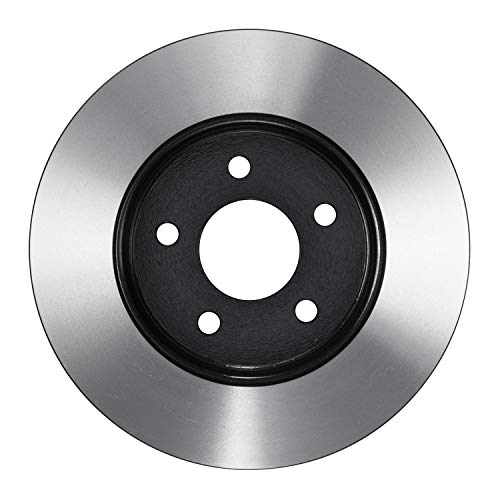
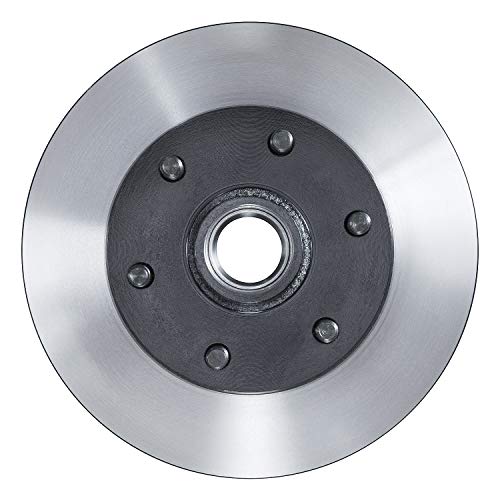
The core of any high-quality rotor is its ability to manage thermal energy. When browsing options, pay close attention to the iron composition. Premium rotors often feature high-carbon content, which provides superior thermal conductivity and resistance to thermal shock. This is vital because as you brake, the kinetic energy of your vehicle is converted into intense heat. If a rotor cannot dissipate this heat quickly, it leads to 'brake fade,' where the pedal feels spongy and stopping distances increase. Look for rotors that emphasize structural stability to prevent the micro-cracking that often occurs during rapid temperature shifts.
Coating Technologies and Corrosion Resistance
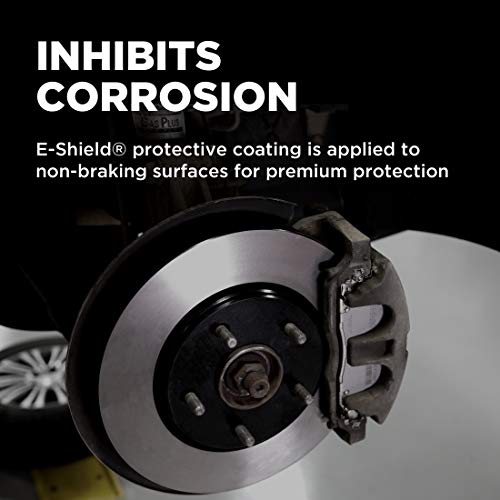
One of the most significant visual and functional differences in modern rotors is the presence of protective coatings. Standard bare iron rotors are highly susceptible to oxidation, especially on the non-contact surfaces like the hub and the cooling vanes. This rust can lead to 'rust jacking,' where oxidation buildup interferes with the caliper's ability to seat the pad correctly. High-end options often feature specialized coatings—such as geomet or electro-coating—that cover the entire rotor surface. This not only keeps your wheels looking cleaner by preventing rust dust from staining the rims, but it also ensures a smoother interface between the rotor and the hub, preventing uneven braking caused by corrosion.
Vented vs. Solid Rotors
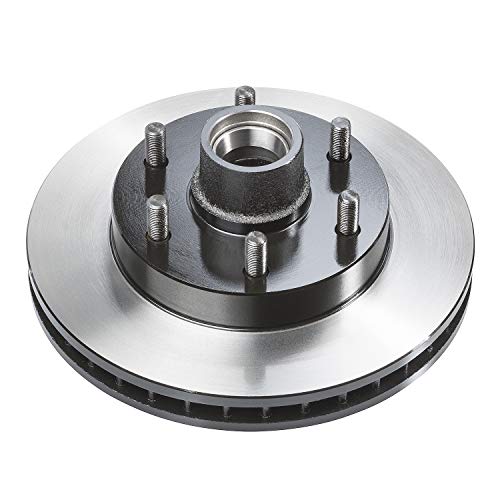
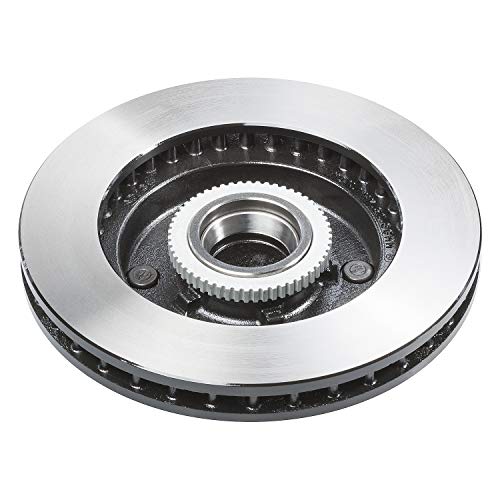
Your vehicle's original equipment manufacturer (OEM) specifications will dictate whether you need a vented or solid rotor, but it is important to understand why. Vented rotors feature internal channels (vanes) between two friction surfaces. These channels act like a pump, pulling air through the center of the rotor to cool the braking surface. These are standard for front axles and high-performance vehicles. Solid rotors, which lack these internal channels, are typically reserved for rear axles on lighter vehicles or older models. If you are upgrading a vehicle for more aggressive driving, ensuring you have high-quality vented rotors is non-negotiable for managing heat buildup.
Matching Rotors with Brake Pads
A common mistake is treating rotors and pads as independent components. To achieve the best results, you should consider the friction coefficient of your pads. If you are installing high-performance ceramic pads, you want a rotor that can handle the higher clamping forces and heat cycles without warping. Conversely, if you are performing a standard maintenance overhaul, pairing a coated, high-carbon rotor with premium ceramic pads will offer a quiet, smooth, and long-lasting solution. Always aim for a matched set. Replacing only one rotor or mixing brands with vastly different metallurgical properties can lead to uneven pad wear and vibration.
Key Decision Factors Summary
When making your final selection, weigh these three factors: Thermal Management (look for high-carbon or vented designs), Longevity (prioritize coated surfaces to prevent rust), and Application (ensure the rotor type matches your vehicle's braking demands). By focusing on these technical attributes rather than just price, you ensure a safer and more predictable driving experience.