Prioritize Fabric Composition and Thermal Protection
The most critical factor when selecting a safety jacket is the material. In a kitchen, you are constantly exposed to radiant heat and accidental splashes of hot liquids. Look for jackets constructed from high-quality, heavy-duty cotton blends or specialized synthetic weaves designed for breathability. A high cotton content often provides better natural heat resistance, whereas polyester blends are frequently used to increase durability and reduce wrinkling. For those working in extremely high-heat environments, seek out jackets with reinforced stitching and thicker fabric densities that act as a barrier against thermal spikes. However, ensure the fabric remains breathable. A jacket that protects you from heat but traps sweat will lead to rapid fatigue and discomfort during long shifts.
Evaluate Fit and Range of Motion
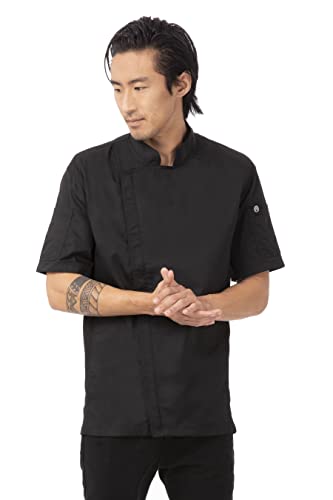
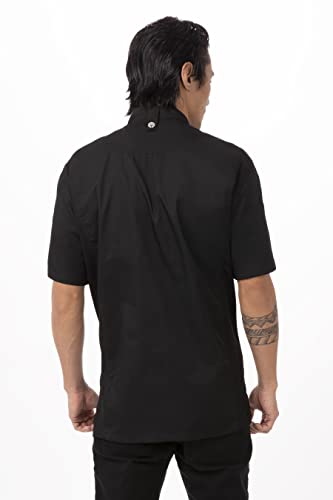
A chef's job is inherently kinetic. You are reaching, lifting, sautéing, and moving constantly. A safety jacket that is too tight will restrict your movement and potentially tear at the seams under pressure, while a jacket that is too loose poses a snagging hazard around equipment. Look for 'action back' designs or ergonomic tailoring that allows for full shoulder rotation without the hem of the jacket riding up. The fit should be snug enough to prevent excessive fabric from catching on handles or burners, but loose enough to allow for a layer of moisture-wicking base clothing underneath. Pay close attention to the sleeve length and cuff design to ensure they do not interfere with your wrist movement or glove usage.
Consider Closure Systems and Hygiene Features
The mechanism used to close your jacket is vital for both safety and ease of use. Traditional stud closures offer a classic look and are highly durable, but they can sometimes be difficult to manipulate with wet or greasy hands. Modern zipper closures are faster and more secure, but they must be high-quality, heavy-duty metal or plastic to withstand frequent industrial laundering. Furthermore, consider the ease of cleaning. In a professional kitchen, hygiene is paramount. Choose jackets with smooth surfaces that do not trap food particles or grease in deep crevices. Features like reinforced collars and easy-to-wash fabrics are essential for maintaining a professional appearance through repeated high-temperature wash cycles.
Durability and Maintenance Requirements
Because chef jackets undergo intense daily wear and frequent heavy-duty laundering, longevity is a key metric of value. Inspect the quality of the stitching, particularly around the armpits, pockets, and buttonholes. Double-needle stitching is a hallmark of a professional-grade garment that can withstand the rigors of a commercial kitchen. Additionally, consider how the jacket responds to industrial detergents and high-heat drying. A jacket that loses its shape or fades significantly after five washes is a poor investment. Look for colorfast fabrics and pre-shrunk materials to ensure the fit remains consistent over the life of the garment.