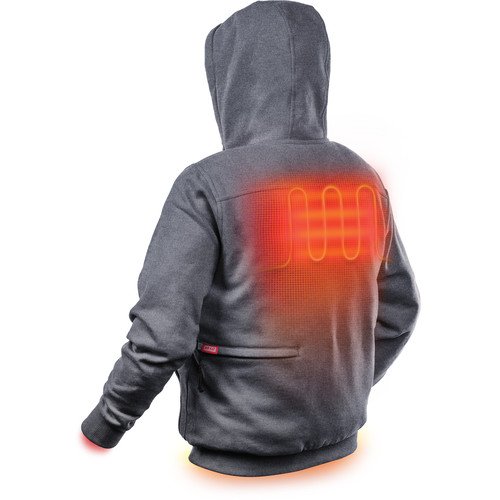
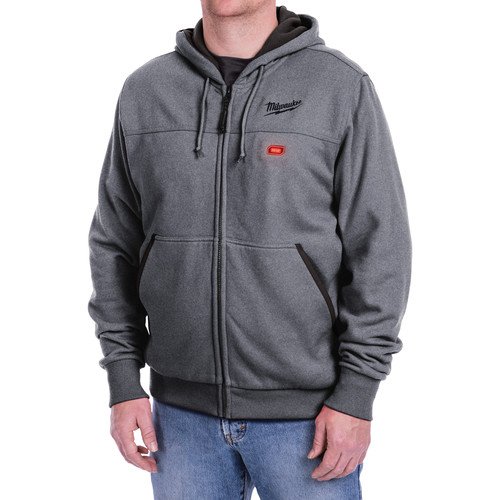
Prioritize Visibility Standards and Class Ratings
The most vital factor in any safety jacket is its ability to make you seen. Depending on your specific job site, you may be required to meet certain ANSI/ISEA standards. When browsing Milwaukee options, look closely at the retroreflective striping. High-quality safety jackets will feature wide, durable tape that doesn't crack or peel after repeated exposure to heavy washing or UV light. Consider whether you need a Class 2 or Class 3 garment. Class 2 is standard for many construction sites, providing good visibility, whereas Class 3 is designed for high-speed traffic environments or heavy machinery zones where maximum visibility is a life-saving necessity. Ensure the reflective pattern allows for a full range of motion without the tape restricting your movement.
Thermal Regulation and Layering Capability
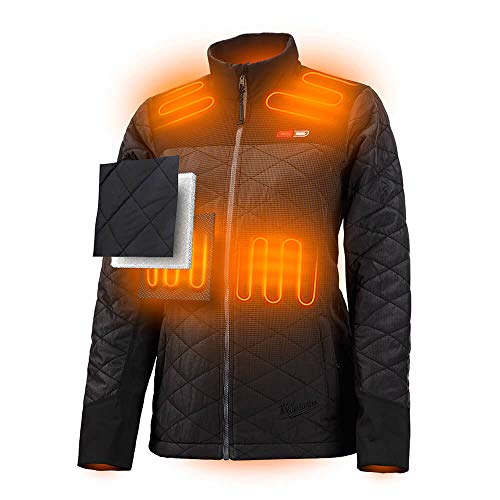
A common mistake is choosing a jacket that is too heavy for indoor work or too thin for sub-zero outdoor shifts. Milwaukee tends to offer a range of weights, from lightweight softshells to heavy-duty insulated parkas. If your work involves transitioning frequently between heated vehicles and freezing outdoor sites, look for jackets with moisture-wicking linings. These help prevent sweat from chilling your skin once you stop moving. Additionally, pay attention to the 'cut' of the jacket. A 'work fit' typically allows enough room to layer a heavy fleece or a thermal base layer underneath without making the jacket feel bulky or restrictive around the shoulders.
Durability and Material Composition
Job site gear takes a beating. You should look for reinforced stitching in high-stress areas like the armpits and pockets. Many Milwaukee jackets utilize abrasion-resistant fabrics like heavy-duty polyester or treated canvas that can withstand scrapes against concrete, metal, or wood. Check for features like storm flaps over the zippers. A broken zipper in a snowstorm can render an expensive jacket useless. Water resistance is another key metric. While many jackets are water-resistant, some are specifically designed to be water-proof, which is a critical distinction if you are working in heavy rain or sleet.
Functional Utility and Pocket Configuration
A safety jacket should serve as a wearable tool organizer. Evaluate the pocket layout based on your specific trade. Do you need deep, zippered pockets to secure a smartphone or radio? Do you need specialized slots for hand warmers or small hand tools? Some models feature reinforced bottom pockets designed to hold heavier items without sagging. Furthermore, consider the ease of use with gloves on. Zippers should be large and easy to grip, and pocket openings should be wide enough to allow for quick access even when wearing heavy work gloves.
Weatherproofing and Wind Resistance
Finally, consider the wind chill factor. In many outdoor industrial settings, the temperature feels significantly lower due to wind exposure. A jacket with a windproof membrane or a dense, tightly woven outer shell will provide much better protection than a standard insulated coat. Look for adjustable cuffs and waist drawstrings, which allow you to seal the jacket against your body, preventing cold air from circulating upward and trapping heat inside the garment.