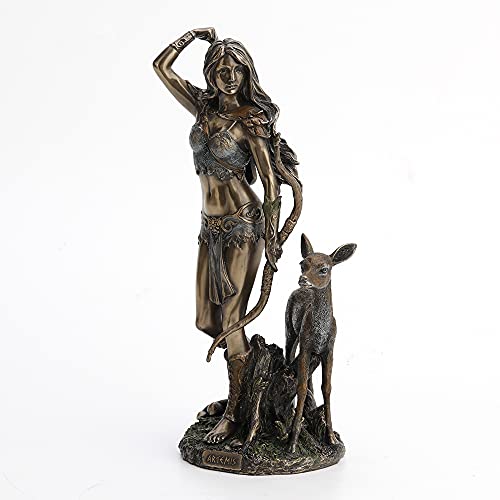
Evaluate the Material Composition and Weight
One of the most critical factors in identifying a high-quality Veronese design sculpture is the substance of the piece. While these are often categorized under resin or polystone, the highest quality versions utilize a heavy, cold-cast bronze process. This involves mixing finely ground bronze powder into a high-density resin, which provides the tactile sensation and significant heft of real metal without the prohibitive cost. When shopping, look for pieces that feel substantial in your hand. A lightweight, hollow-feeling statue often indicates a lower grade of casting that will lack the presence required for fine decor. A heavy base is also a sign of superior craftsmanship, ensuring the sculpture remains stable on various surfaces.
Analyze the Patina and Surface Detail
The hallmark of a premium Veronese statue is the hand-applied patina. Rather than a uniform, single-color spray, high-end sculptures feature multi-layered finishes that mimic the natural aging of bronze or marble. Look closely at the crevices and recessed areas of the sculpture. A well-executed piece will have darker tones in the folds of drapery or the grooves of musculature, creating a sense of depth and three-dimensionality. If the finish looks overly shiny or 'plastic,' it will lack the timeless quality that defines the Veronese aesthetic. Seek out pieces where the light catches the raised edges while the shadows remain rich and deep, a technique used to highlight the intricate textures of hair, fabric, and skin.
Consider Scale and Proportional Harmony
Because Veronese sculptures are often highly detailed, they can easily overwhelm a small space or disappear in a large room. Before purchasing, consider the 'visual weight' of the piece. A dramatic, muscular figure with an expansive pose requires a dedicated pedestal or a wide mantle to avoid looking cluttered. Conversely, smaller, more delicate busts are ideal for vignettes or library shelves. Always measure the intended space not just for height, but for the 'footprint' of the base. A sculpture that is too large for its surface can create a sense of instability, while one that is too small may look like an afterthought rather than a centerpiece.
Thematic Alignment and Artistic Intent
Veronese designs typically fall into several distinct thematic categories: Classical Mythology, Renaissance Portraits, and Allegorical Figures. Your choice should reflect the existing narrative of your room. If your decor is modern and minimalist, a highly ornate, mythological figure can serve as a striking 'statement piece' that breaks the monotony. If your space is traditional, look for sculptures that complement existing woodwork and classical motifs. Pay attention to the expression and posture of the statue. A serene, contemplative bust will set a different mood than a dynamic, action-oriented combat scene. Choosing a piece that aligns with your intended atmosphere is the difference between mere decoration and true curation.