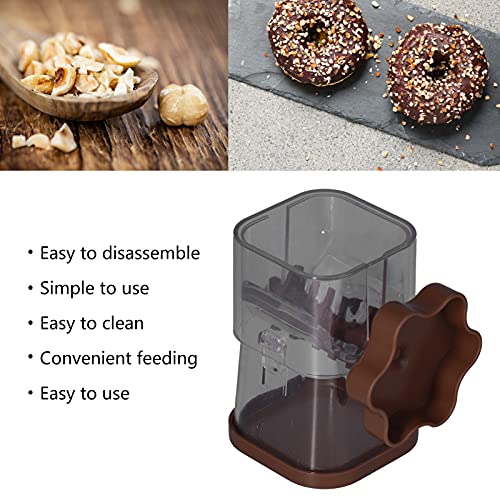
Understand the Chopping Mechanism
The primary factor in your decision should be how the device actually processes the spices. There are three main categories: manual pull-cord choppers, hand-crank grinders, and electric micro-choppers. Manual pull-cord models are excellent for small batches of dried herbs where you want to avoid over-processing. They offer immediate tactile feedback, allowing you to stop the moment you reach the desired consistency. Hand-crank grinders, often made of ceramic or stainless steel, are better suited for hard, oily spices like peppercorns or cumin seeds, as they provide the torque necessary to crush tough hulls. Electric micro-choppers are the heavy lifters, ideal for high-volume spice preparation, but they require more care to ensure you don't turn your artisanal seasoning into a fine flour in seconds.
Material Integrity and Flavor Neutrality
Because spices are highly aromatic and can contain oils that linger, the material of the blades and the container is paramount. Avoid low-grade plastics that may absorb odors or leach a chemical taste into your seasonings. Look for high-quality, food-grade stainless steel for the blades and BPA-free, thick-walled containers. For those who prioritize longevity and flavor purity, ceramic burr grinders are the gold standard. Ceramic does not react with acidic or oily spices, ensuring that your cinnamon or clove maintains its original profile without any metallic interference. If you opt for a manual chopper, ensure the seal is airtight to prevent the spices from losing their potency between uses.
Blade Geometry and Texture Control
Not all spice choppers are designed for the same end result. If you are looking to create coarse rubs for BBQ, you need a device with wider blade spacing or a mechanism that allows for 'pulsing.' If your goal is to create fine powders for baking, look for high-speed stainless steel blades that can achieve a uniform micron level. A common pitfall is buying a chopper that is too powerful for delicate herbs like dried thyme or rosemary, which can result in a mushy paste rather than a textured seasoning. Check if the device offers variable speeds or if the manual mechanism allows for different stroke intensities.
Ease of Cleaning and Maintenance
Spices are notoriously difficult to clean, especially those containing oils like paprika or turmeric, which can stain. A high-quality spice chopper should be easy to disassemble. Look for designs where the blades can be removed entirely from the base. Ideally, the container should be dishwasher safe, though hand-washing is often recommended for the blade assemblies to maintain sharpness. If the device has many nooks and crannies where spice dust can collect, it will eventually become a breeding ground for old, rancid oils, which will ruin the flavor of your fresh seasonings.
Capacity vs. Frequency of Use
Finally, consider your kitchen workflow. If you are a professional chef or a meal prepper, a larger capacity chopper that can handle bulk amounts of dried chilies or peppercorns is a wise investment. However, for the casual cook, a compact, countertop-friendly model that can be tucked into a drawer is often more practical. A device that is too large for your needs will likely sit unused, while one that is too small will require constant, tedious reloading, defeating the purpose of having a dedicated spice tool.