Blade Geometry and Material Integrity
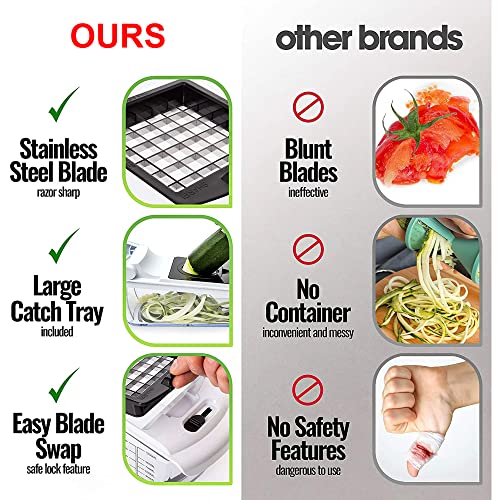
The most critical component of any spice chopper is the blade set. Because spices can be incredibly hard—think dried cinnamon sticks or whole star anise—you must look for high-carbon stainless steel blades. Low-quality metals will dull quickly, leading to uneven chopping that bruises the spice rather than slicing it, which destroys the volatile oils responsible for flavor. Look for a multi-blade configuration. A single blade often creates a 'vortex' effect where spices simply spin around the edges, whereas a multi-blade system ensures a more uniform grind. If you are looking for a finer consistency, opt for blades with a higher density of teeth or smaller serrations.
Mechanism Type: Manual vs. Electric
Your decision should be dictated by your cooking frequency and the volume of spices you process. Manual pull-cord or hand-crank choppers are excellent for maintaining control and are much easier to clean. They are also ideal for small tasks, such as crushing a few cloves of garlic or a handful of dried chilies, without the noise of a motor. However, if you are a meal prepper who grinds large batches of spice rubs for the week, an electric spice chopper is a necessity. Electric models offer higher RPMs, which are better suited for the most stubborn, woody spices, though they require more careful cleaning to ensure no spice dust enters the motor housing.
Container Capacity and Seal Quality
A common mistake is buying a chopper that is too large for the task. If you try to chop a single teaspoon of cumin in a large-capacity bowl, the blades will likely miss the ingredient entirely. For seasoning-specific tools, smaller, compact bowls (ranging from 100ml to 300ml) are often superior because they force the spices into the path of the blades. Furthermore, pay close attention to the lid seal. Spices are highly aromatic. A poor seal will not only allow the scent to escape into your kitchen but can also allow moisture from the air to enter the container, causing your spices to clump and lose potency.
Ease of Maintenance and Food Safety
Spice chopping is inherently messy. Fine powders tend to migrate into every crevice of the device. When evaluating a model, prioritize those with a 'seamless' design where the blade assembly can be easily detached from the base. Ideally, the bowl and blades should be dishwasher safe, though hand-washing is often recommended to preserve the sharpness of the blades. Avoid models with complex electronic components integrated into the blade assembly, as these are difficult to sanitize and can harbor old spice oils that may turn rancid over time.
Recommendation Logic
To make your final selection, follow this logic: If you prioritize portability and quiet operation for occasional seasoning, choose a manual pull-string chopper with a small capacity. If you demand the finest possible texture for powders and frequently process hard, woody ingredients, invest in a high-speed electric chopper with stainless steel blades. Always prioritize blade material and ease of disassembly over flashy aesthetic features.