Prioritizing Material Composition and Texture
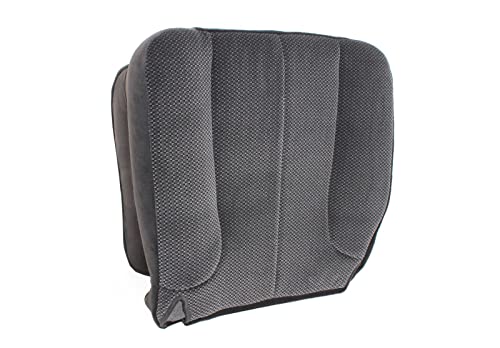
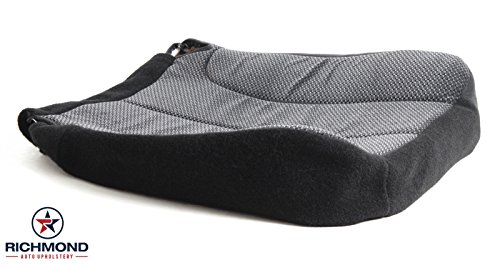
The first decision you must make is selecting a material that aligns with your lifestyle and climate. For those seeking a premium, high-end aesthetic, synthetic leathers and high-grade vinyls are the gold standard. These materials are easy to wipe down, highly resistant to spills, and offer a sophisticated look that mimics genuine hide without the intensive maintenance. However, if you live in an area with extreme temperature fluctuations, consider breathable fabrics or perforated textures. Perforated materials allow for better airflow, preventing that 'sticky' feeling during summer months and ensuring comfort during long drives. If your priority is ruggedness—perhaps for an off-road vehicle or a work truck—look for heavy-duty canvas or reinforced polyester blends that can withstand abrasion and UV exposure without fading.
Fitment: Custom-Fit vs. Semi-Universal
The biggest mistake consumers make is choosing a cover based solely on price rather than fitment accuracy. A poor fit leads to unsightly wrinkles, loose fabric that interferes with seat adjustments, and—most importantly—safety risks. When browsing for upholstery covers, always verify if the product is engineered for your specific vehicle year, make, and model. High-quality covers will feature precise cutouts for headrests, side airbags, and seatbelt buckles. If your vehicle is equipped with side-impact airbags integrated into the seats, you must ensure the covers are 'airbag compatible.' This means the stitching is designed to break away instantly in an emergency, a feature that is non-negotiable for passenger safety.
Durability and Maintenance Requirements
Consider how you intend to clean your interior. If you have children or pets, look for covers with high 'rub counts' (a measure of abrasion resistance) and stain-resistant coatings. Vinyl and synthetic leather are excellent for quick cleanups with a damp cloth, whereas fabric covers may require specialized upholstery cleaners to prevent odors and deep-set stains. Furthermore, check the UV resistance ratings. Auto interiors are subject to intense sunlight, which can cause cheap plastics to crack and fabrics to bleach. Investing in UV-stabilized materials will ensure your seats maintain their color and structural integrity for years to come.
Installation Complexity and Longevity
Finally, evaluate how the covers are secured. The best upholstery covers utilize a combination of heavy-duty elastic straps, hook-and-loop fasteners, and integrated foam padding to ensure they stay taut. A cover that requires complex tools to install may be frustrating, but a cover that is too easy to slip off is equally problematic. Look for designs that utilize 'under-seat' anchoring systems, which pull the fabric tight against the seat foam, creating that seamless, factory-installed look that defines high-quality auto upholstery.