Material Density and Durability
The primary advantage of a high-quality plastic service plate is its resilience. When shopping, you must look beyond the surface shine and evaluate the density of the polymer used. Premium service plates should feel substantial in the hand. If a plate feels hollow or overly lightweight, it is prone to warping under heat or cracking when stacked. Look for high-grade, food-safe plastics that offer a 'heavy-duty' feel. This density ensures that the plate maintains its structural integrity even when supporting heavier entree plates or being moved frequently during a busy service. A well-made plate will resist scratching from cutlery, which is essential for maintaining a polished look over multiple uses.
Aesthetic Finish and Texture
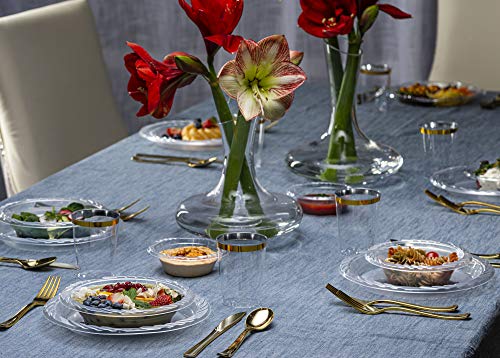
Service plates serve a decorative purpose. Because they are often partially obscured by food, their texture and rim design are what truly define the table's ambiance. You should decide between a high-gloss finish, which mimics the reflective quality of glazed stoneware, or a matte finish, which provides a modern, sophisticated, and understated look. Some service plates feature embossed patterns or beaded edges that catch the light, adding a layer of luxury to a standard table setting. If your event theme is formal, opt for smooth, monochromatic designs. For more rustic or casual gatherings, textured patterns can add much-needed visual interest.
Stackability and Storage Efficiency
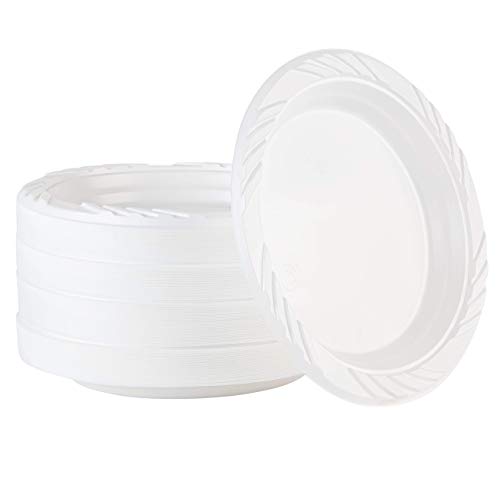
For professionals or frequent hosts, storage is a logistical reality. A common pitfall when purchasing service plates is selecting a design with a deep, flared rim that prevents efficient stacking. High-quality service plates are designed with a slight taper or a recessed base that allows them to nest securely within one another. This nesting capability is crucial for minimizing the footprint in your pantry or catering kit. Furthermore, ensure the edges are smooth and rounded. Sharp or overly intricate edges can make stacking difficult and increase the risk of chipping during transit.
Maintenance and Heat Resistance
Before finalizing your purchase, confirm the cleaning requirements. While many high-end plastic plates are dishwasher safe, you should verify if they are top-rack only to prevent warping from high-intensity heat cycles. Additionally, consider the temperature range. If you plan to use these plates for warm appetizers or as bases for heated dishes, the plastic must be rated to withstand thermal shifts without losing its shape or leaching chemicals. A plate that can withstand standard commercial cleaning cycles will offer a much better return on investment than one that requires delicate hand-washing.
Recommendation Logic
When deciding which plate fits your needs, follow this hierarchy: If your priority is high-end formal events, prioritize weight and a high-gloss finish that mimics fine china. If you are managing high-volume buffet service where speed is key, prioritize stackability and ease of cleaning. For outdoor or casual settings, prioritize scratch resistance and a matte finish that hides fingerprints and minor wear more effectively than polished surfaces.