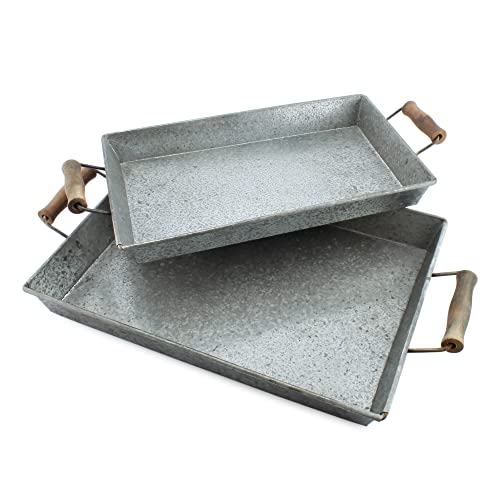
Prioritize Material and Texture
The foundation of any high-quality serving tray is its material composition. Auldhome designs often lean into organic, tactile textures that evoke a sense of warmth and craftsmanship. When selecting a tray, consider how the material will interact with your existing furniture. Wooden trays offer a timeless, farmhouse-inspired warmth that works exceptionally well for breakfast-in-bed setups or rustic kitchen counters. If you are looking for something that feels more refined and formal, look for trays with smooth, polished finishes or integrated metal accents. Pay close attention to the grain and the weight. A heavier tray often signals better construction and higher-quality timber, providing the stability needed when carrying glassware or heavy ceramics.
Evaluate Scale and Functional Versatility
One of the most common mistakes in home styling is selecting a tray that is either too diminutive to be useful or too massive to fit comfortably on a coffee table. To make an informed decision, measure your intended space before purchasing. If the tray is intended for active serving—such as moving appetizers from the kitchen to the lounge—ensure it has a substantial surface area and raised edges to prevent spills. If the tray is primarily decorative, such as a centerpiece for a dining table, you have more flexibility with unique shapes and irregular edges. Ask yourself: Will this tray hold a full teapot and two mugs, or is it designed to hold a single candle and a small vase? Understanding the primary use case will dictate the dimensions you should prioritize.
Consider Ergonomics and Edge Design
A beautiful tray is a liability if it is difficult to carry. For functional serving, look for designs that incorporate integrated handles or deep, ergonomic grooves that allow for a secure grip. Smooth, rounded edges are preferable to sharp, angular ones, as they are easier on the hands and reduce the risk of accidental damage to your tabletop. Furthermore, examine the underside of the tray. A flat, stable base is essential to prevent wobbling on uneven surfaces. High-end designs often incorporate subtle feet or non-slip elements that elevate the tray slightly, protecting your delicate wood or stone surfaces from heat and moisture transfer.
Matching Aesthetic to Interior Style
Finally, align your choice with your home's overarching design language. Auldhome pieces are celebrated for their ability to bridge the gap between modern minimalism and cozy, lived-in comfort. For a Scandinavian or Japandi aesthetic, opt for light-toned woods with clean lines and minimal ornamentation. For a more traditional or maximalist home, look for trays with richer color palettes, intricate wood grains, or mixed-media elements like metal inlay. By matching the visual weight and color temperature of the tray to your room, you ensure the piece feels like a permanent part of your decor rather than a temporary addition.