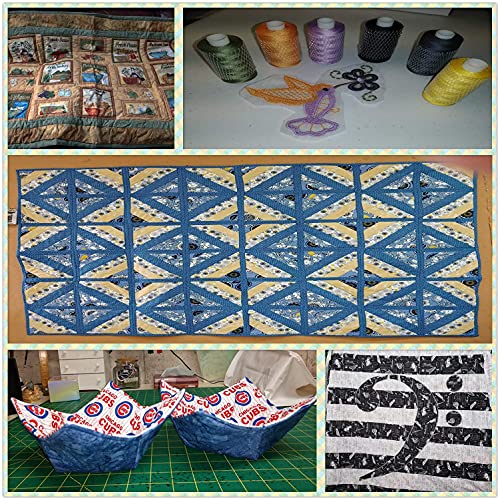
Material Composition: The Foundation of Strength
The most critical decision you will make is selecting the fiber type. Not all threads are created equal, and using a polyester thread on a delicate silk may result in a seam that is too heavy, while using a cotton thread on a high-stretch jersey will cause the seam to snap the moment the garment is worn.
- Polyester: This is the industry standard for versatility. High-quality polyester threads are exceptionally strong, have a slight natural stretch that accommodates movement, and are resistant to shrinking and fading. They are ideal for most modern garments, knits, and heavy-duty upholstery.
- Cotton: Best suited for quilting, home decor, and natural fiber fabrics like linen or lightweight cotton. Cotton thread offers a matte finish that blends seamlessly with natural weaves, though it lacks the tensile strength and elasticity of synthetic options.
- Silk: The pinnacle of luxury. Silk thread is incredibly fine and strong, making it the only choice for couture-level garment construction and delicate embroidery. It has a natural luster that complements high-end silks and satins.
- Rayon: Primarily used for decorative embroidery, rayon offers a high-sheen finish that pops against fabric, though it is less suitable for structural seams due to lower strength.
Weight and Tex: Matching Thread to Fabric
One of the most common mistakes in sewing is using thread that is too thick or too thin for the fabric weight. In the professional world, thread thickness is often measured by 'Tex' or 'Weight.' For lightweight fabrics like chiffon or organza, you need a fine, high-twist thread that won't create visible ridges along the seam line. Conversely, when working with denim, canvas, or heavy upholstery, a thicker, heavier-duty thread is required to prevent the seam from pulling apart under tension. Always aim for a thread that is slightly lighter in visual weight than the fabric itself to ensure a seamless, professional appearance.
Colorfastness and Dye Quality
A 'signature' thread must maintain its integrity through multiple washes and exposure to sunlight. Cheaply dyed threads are prone to 'bleeding,' where the dye transfers from the thread to the surrounding fabric, ruining your project. When selecting premium threads, look for those that utilize high-quality, vat-dyed processes. This ensures that the color remains vibrant and, more importantly, that the thread remains colorfast. If you are working with light-colored fabrics, ensure the thread is specifically rated for colorfastness to avoid the nightmare of dark threads staining white linens.
Tensile Strength and Smoothness
The physical quality of the thread's construction is paramount. High-end threads undergo a process of 'mercerization' or specialized twisting that reduces lint and fuzz. This is crucial because 'fuzzy' thread creates lint buildup in your machine's tension discs, leading to skipped stitches and machine jams. A premium thread should feel smooth to the touch and glide through the needle eye without fraying. When testing a thread, pull it taut. It should resist snapping and show minimal hairiness along the strand. This smoothness ensures that your sewing machine runs efficiently and your stitches remain consistent from the first inch to the last.