Understanding Material Composition and Grain Structure
The first decision factor when selecting sheets is the core material. If you are looking at sanding sheets, you must distinguish between aluminum oxide, garnet, and ceramic abrasives. Aluminum oxide is the workhorse for general purpose wood sanding, while ceramic is preferred for heavy material removal on harder species. If you are looking at substrate sheets like plywood or MDF, pay close attention to the veneer quality and the core density. High-quality sheets should have minimal voids in the core, which prevents 'blowouts' or chipping when using a track saw. For fine cabinetry, look for sheets with a consistent grain structure that will take stains and finishes uniformly.
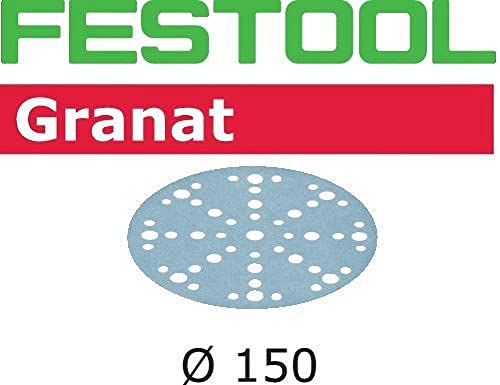
One of the primary reasons professionals opt for premium sheets is the integration with Festool’s dust extraction technology. When selecting sanding sheets, look for 'netting' or micro-perforated patterns rather than simple hole patterns. These advanced perforation patterns are designed to allow dust to be pulled through the entire surface area of the abrasive, preventing heat buildup and extending the life of the sheet. If the sheet does not offer high-density suction points, you will likely find that your sander clogs quickly, leading to swirl marks on your workpiece and increased fine dust in your breathing zone.
Edge Stability and Thickness Tolerances
For cutting applications, the thickness tolerance of a sheet is paramount. Precision tools like track saws rely on a perfectly flat surface to maintain a straight cut. Cheap sheets often have slight bows or uneven thicknesses that can cause the saw to wander or the track to lift. When selecting sheets for joinery, prioritize those labeled for high dimensional stability. This is especially important when working with moisture-sensitive materials. A sheet that expands or contracts unevenly will frustrate even the most skilled craftsman. Always check the specification for 'edge banding compatibility' if you plan on finishing the edges immediately after cutting.
Grit Selection and Application Logic
If your focus is on sanding sheets, your selection should be dictated by the stages of your finishing process. A common mistake is jumping to a fine grit too quickly. A professional workflow requires a progression: start with a coarse grit for leveling the surface, move to a medium grit to remove the scratches from the previous stage, and finish with a fine grit for the final polish. When buying, it is often more cost-effective to purchase 'multi-packs' that contain a range of grits, ensuring you have the specific abrasive needed for each phase of the build without having to make multiple separate purchases.
Durability vs. Disposable Utility
Finally, consider the intended lifespan of the sheet. Some premium sanding sheets are designed for 'long-life' applications, where the abrasive stays sharp through multiple passes on dense hardwoods. Other sheets are meant for quick, one-time tasks where the goal is speed rather than longevity. Evaluate your project scale before buying. For a large-scale installation involving many square feet of surface area, investing in higher-end, ceramic-coated sheets will ultimately save you time and money by reducing the frequency of sheet changes.