Understanding Material Composition and Gauge
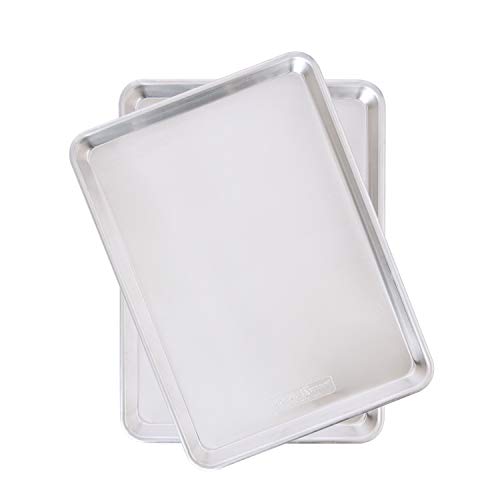
The primary reason to invest in a premium sheet is the material quality. Most high-end baking sheets are crafted from heavy-gauge aluminized steel or pure aluminum. When shopping, look for sheets that feel substantial in your hand. A higher gauge (thicker metal) is critical for preventing warping. If a sheet bends when you slide it into a hot oven, it will create uneven hot spots, resulting in cookies that are burnt on the edges but doughy in the middle. Pure aluminum is excellent for rapid heat conductivity, making it ideal for delicate pastries, while aluminized steel offers a rugged durability that stands up to heavy-duty roasting and frequent scrubbing.
Surface Finish and Non-Stick Properties
One of the most significant decision factors is how the surface is treated. You will generally encounter two types of finishes: natural non-stick and seasoned surfaces. Some sheets feature a specialized non-stick coating that allows items to slide off effortlessly, which is perfect for high-sugar recipes like macarons or delicate cookies. However, these coatings can eventually degrade with abrasive cleaning. Alternatively, many enthusiasts prefer a natural, uncoated surface that is 'seasoned' through use. A well-used, uncoated sheet develops a natural patina that provides a non-stick effect without the risk of chemical peeling. If you prefer using parchment paper or silicone mats, an uncoated sheet provides a more stable, flat base for these accessories.
Dimensions and Oven Compatibility
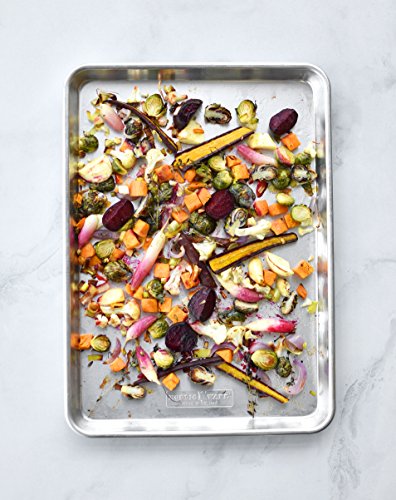
Before purchasing, you must measure your oven rack depth and width. The most common sizes are the 'Half Sheet' and the 'Quarter Sheet.' A half sheet is the versatile workhorse for roasting vegetables or baking multiple batches of cookies, while a quarter sheet is perfect for smaller tasks like toast, single portions, or reheating. Be wary of purchasing oversized sheets that may touch the oven walls. This restricts airflow and can lead to uneven cooking or even damage to your appliance. Always ensure the sheet is flat enough to sit securely on your specific rack style.
Rim Height and Versatility
The 'lip' or rim height of the sheet dictates its versatility. Low-rimmed sheets, often called jelly roll pans, are designed for maximum surface area, making them ideal for thin cookies, meringues, or dehydrating fruits. If you intend to use the sheet for roasting meats or vegetables that might release juices, look for a sheet with a slightly higher rim to contain liquids and prevent drips from hitting the bottom of your oven. If you want a multi-purpose tool that transitions from baking cookies to roasting a tray of Brussels sprouts, a medium-rimmed sheet offers the best compromise.
Maintenance and Longevity
A premium sheet is an investment intended to last a decade or more. When deciding, consider your cleaning habits. If you are someone who prefers soaking pans in harsh detergents, look for heavy-duty steel options. If you prefer quick, gentle hand-washing, a coated sheet might be more appealing. Regardless of the finish, avoid using steel wool on coated surfaces, as this will compromise the integrity of the pan. The best sheets are those that can handle the thermal shock of moving from a room-temperature counter to a 450-degree oven without losing their structural integrity.