Define Your Design Language
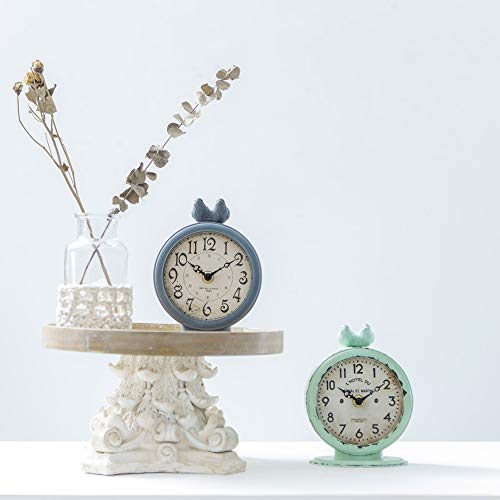
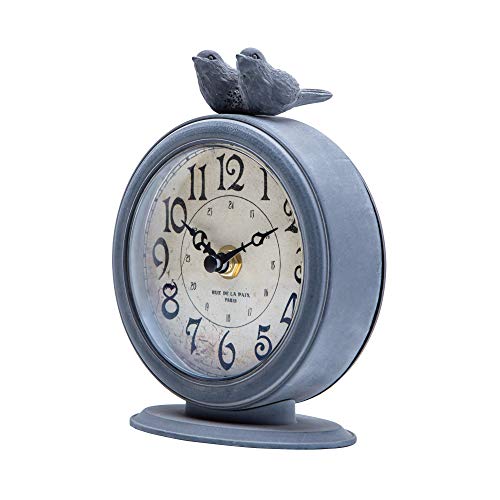
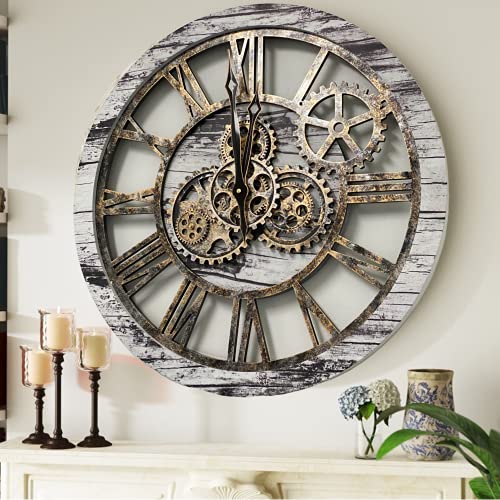
The first step in selecting a Nikky Home shelf clock is identifying the interior design theme of your space. These clocks are often categorized by their material finishes and silhouettes. If you are curating a Mid-Century Modern space, look for clocks with tapered legs, walnut wood finishes, and clean, geometric lines. For those leaning toward Industrial or Rustic aesthetics, prioritize models featuring distressed metals, exposed gears, or reclaimed wood textures. If your home is more Minimalist or Scandinavian, focus on clocks with high-contrast faces (such as black and white) and slim, unobtrusive frames that won't clutter your shelf space.
Consider Scale and Proportions
One of the most common mistakes in shelf decor is choosing a clock that is either swallowed by surrounding books or dominates the entire surface. A shelf clock should complement its neighbors, not compete with them. Measure your intended shelf depth and height before purchasing. A clock with a significant 'projection'—meaning it sticks out far from the wall or shelf—can disrupt the flow of a narrow hallway or a crowded bookshelf. Look for a balance where the clock acts as a visual anchor, providing a focal point that draws the eye without making the shelf feel cramped.
Material Quality and Durability
Because shelf clocks are often placed in high-traffic areas or near windows, the materials used are critical. High-quality Nikky Home pieces often utilize a mix of metal, glass, and treated wood. Check the weight of the piece. A heavier clock often indicates higher-quality internal mechanisms and more substantial casing materials, which prevents the clock from sliding or vibrating when placed on smooth surfaces. If the clock features a glass cover, ensure it is treated to resist glare, especially if it will be placed under direct sunlight or bright recessed lighting, which can make reading the time difficult.
Movement and Noise Levels
Since shelf clocks are frequently placed in living rooms, bedrooms, or home offices, the 'tick' of the clock matters immensely. Many modern decorative clocks utilize a silent sweep movement, which eliminates the rhythmic ticking sound entirely. This is essential if you plan to place the clock on a bedside table or a desk where concentration is required. If you prefer the nostalgic, rhythmic sound of a traditional quartz movement, ensure the clock is placed far enough from your seating area to prevent the sound from becoming a distraction.
Functional Versatility
Finally, consider how the clock will be powered and maintained. Most shelf clocks rely on battery operation, which offers great flexibility in placement since you won't be tethered to a wall outlet. However, always check if the battery compartment is easily accessible from the back or bottom, as you won't want to move the entire decorative setup just to change a battery. A well-designed shelf clock should be easy to service without disrupting the carefully curated look of your shelving unit.