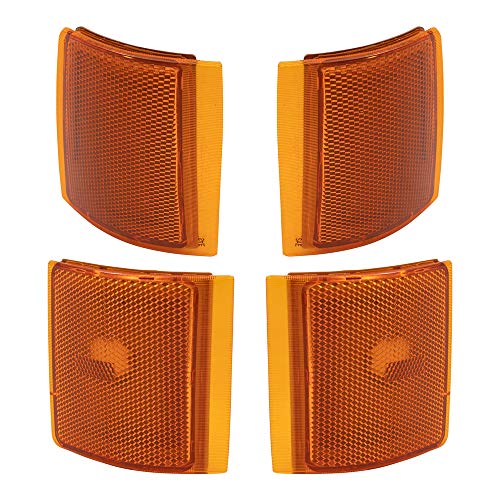
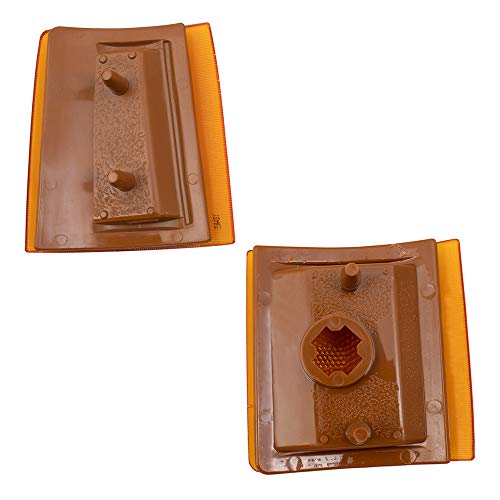
Prioritize Lens Clarity and UV Resistance
One of the most common pitfalls when purchasing side marker assemblies is selecting a product with inferior lens material. Because these components are mounted on the side of the vehicle, they are constantly exposed to direct sunlight, road salt, and debris. Cheaply manufactured lenses tend to undergo 'yellowing' or oxidation within a single season, which not only ruins the aesthetic of your car but also significantly reduces the lumen output of the marker. When evaluating assemblies, look for high-grade, UV-stabilized polycarbonate or acrylic. A high-quality assembly will maintain its crystal-clear transparency even after years of exposure to the elements, ensuring that your vehicle remains visible to other drivers during night driving.
Verify Housing and Seal Integrity
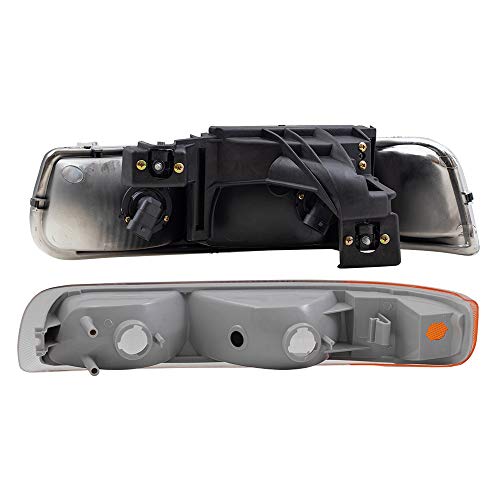
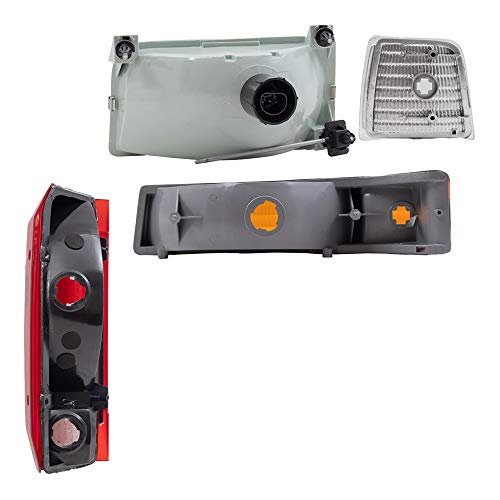
A side marker is only as good as its ability to keep moisture out. Water intrusion is the primary cause of premature failure in lighting assemblies, leading to condensation buildup inside the lens or, worse, corrosion of the electrical connectors. When inspecting an assembly, examine the perimeter of the housing. You should look for robust, integrated gaskets or weather-tight seals that are designed to compress against the vehicle's fender or quarter panel. An assembly with a heavy-duty, injection-molded housing will provide a much more secure fit than one made of thin, flimsy plastic that can warp under the heat of the bulb or the pressure of a car wash.
Match the Lighting Technology to Your Needs
Modern side marker assemblies generally fall into two categories: traditional incandescent and LED-integrated. If you are aiming for a strictly 'concours' or factory-original restoration, you may prefer an assembly designed for standard bulbs to maintain the authentic warm glow of a vintage vehicle. However, if your goal is improved safety and longevity, LED-integrated assemblies are the superior choice. LEDs offer a much faster response time and a higher degree of brightness, which is critical for signaling your position to oncoming traffic. If you opt for LED, ensure the assembly is designed to be 'plug-and-play' with your vehicle's original wiring harness to avoid the need for complex resistor installations to prevent hyper-flashing.
Consider Fitment and Mounting Hardware
The difference between a professional-looking installation and a DIY disaster lies in the mounting hardware. High-quality assemblies will come with vehicle-specific mounting clips or screws that allow for a flush, gap-free fit against the bodywork. If the assembly sits even a few millimeters proud of the fender, it will catch wind resistance and create an unsightly shadow line. Before finalizing your purchase, confirm that the assembly includes all necessary mounting components and that the dimensions are precision-engineered to match the specific contours of your vehicle's body lines. A perfect fit ensures that the side marker looks like an original part of the car rather than an afterthought.